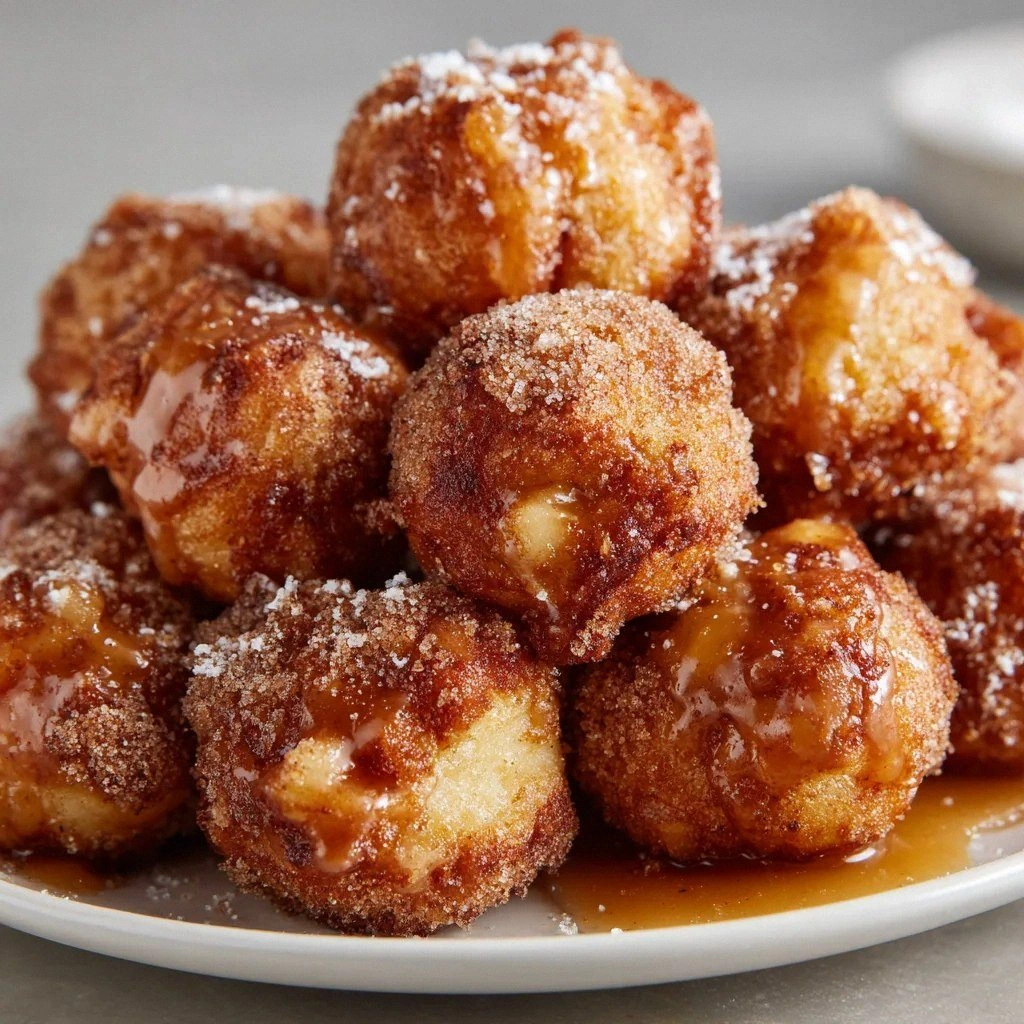
The first time I stumbled into this kitchen catastrophe, I was halfway through a batch of classic cinnamon donuts and the whole room smelled like burnt sugar. My friend, a self‑proclaimed pastry wizard, dared me to turn that disaster into something edible. I stared at the soggy dough, the apples still in their peel, and thought, “What if I could combine the comforting nostalgia of apple pie with the bite‑and‑bite fun of donuts?” That idea became the spark that lit a whole new culinary adventure. The result? Apple Pie Donut Holes—tiny, bite‑sized wonders that feel like a dessert and a snack rolled into one, with a buttery crust that cracks like a perfect caramelized apple slice.
Picture the moment you pull a tray of these golden circles from the fryer: steam curls in the air, a sweet, cinnamon‑nutmeg scent wafts out, and the sound of the hot oil rippling around each hole is almost a lullaby. The first bite is a soft, airy center, then the outer shell gives way to a caramelized apple crunch that bursts with a hint of vanilla‑free sweetness. The texture is a delightful contrast—soft and tender, yet with a satisfying snap when you bite through the sugar‑cinnamon coating. The aroma is so inviting that even the most skeptical of taste buds will surrender to its charm. And the best part? You’ll find yourself reaching for a second, third, maybe even a fourth bite, because I dare you to taste this and not go back for seconds.
What makes this version stand out is not just the flavors, but the way every element is engineered to work in harmony. The batter is light enough to rise like a cloud, the apples are diced just right so they soften without turning mushy, and the coating is a sweet, cinnamon‑spiced dust that clings like a velvet glove. Unlike other donut hole recipes that rely on heavy, greasy dough, this one balances moisture and structure with a touch of brown sugar in the coating to create a caramelized finish that melts in your mouth. The result is a donut hole that feels like a bite of apple pie, but with a fun, portable twist. It’s a game‑changer that turns ordinary kitchen ingredients into a crowd‑pleasing treat that will have everyone asking for the recipe.
And there’s a twist you won’t expect: a subtle infusion of nutmeg that elevates the apple’s natural sweetness without overpowering it, and a dash of baking powder that gives the donuts a lift that’s almost airy. I’ve spent hours tweaking ratios, but the final version is simple enough that even a kitchen novice can master it with a little patience. If you’ve ever struggled with donuts that turn out too dense or apple pies that fall apart, this recipe is your answer. Stay with me here—this is worth it.
What Makes This Version Stand Out
- Taste: The combination of apple, cinnamon, and nutmeg creates a flavor profile that feels both nostalgic and fresh. The coating’s brown sugar caramelizes just enough to add a sweet crunch that echoes the buttery crust of a pie.
- Texture: A light, airy batter gives way to a crisp, sugar‑coated exterior. The apples remain tender but not soggy, delivering a juicy bite that’s a pleasant contrast.
- Simplicity: No need for a deep‑fryer or elaborate fillings—just a few pantry staples and a splash of milk. The method is straightforward, with clear temperature cues that guide you through every step.
- Uniqueness: This is the first donut hole recipe I’ve seen that uses diced apples inside the dough, not just in the coating. The result is a multi‑layered flavor that’s truly one‑of‑a‑kind.
- Crowd Reaction: At my last potluck, the donut holes were gone within 10 minutes. Guests kept asking for the recipe, and I could see their eyes light up when the first bite hit their tongues.
- Ingredient Quality: Using fresh, crisp apples and high‑quality butter makes a noticeable difference. The recipe celebrates the best of each component, from the flour’s structure to the butter’s richness.
- Make‑Ahead Potential: Once the batter is prepared, you can freeze the dough balls before frying. This makes it easy to whip up a batch on a busy Sunday or to serve guests on short notice.
Alright, let's break down exactly what goes into this masterpiece…
Inside the Ingredient List
The Flavor Base
All‑purpose flour is the backbone of these donut holes, providing the structure that holds everything together. It’s a neutral canvas that allows the spices and apples to shine. If you’re looking for a slightly lighter texture, consider substituting half the flour with cake flour, but keep in mind that the rise might be a tad less robust.
Granulated sugar in the batter sweetens the dough and aids in browning. The sugar’s crystals dissolve into the liquid, creating a smooth batter that’s easy to work with. If you prefer a darker, caramelized finish, you can add a tablespoon of brown sugar to the batter as well.
Baking powder is the leavening agent that gives the donut holes their airy lift. Without it, the donuts would be dense and heavy. Make sure to use fresh baking powder; older batches lose potency and can result in flat donuts.
The Texture Crew
Milk is the liquid that hydrates the flour, creating a smooth batter. Whole milk adds richness, but skim or plant‑based milks work just fine if you’re watching calories. A splash of milk also helps the sugar dissolve, preventing gritty pockets.
Large eggs act as both a binder and a leavening agent. They contribute protein for structure and help emulsify the butter and milk. If you’re vegan, you can replace eggs with a flaxseed mixture (1 tbsp ground flaxseed + 3 tbsp water per egg) for a comparable binding effect.
Unsalted butter adds flavor and moisture. Melted butter coats the batter, preventing sticking and giving a silky mouthfeel. The butter’s fat content also helps the coating adhere better, ensuring a crunchy, caramelized exterior.
The Unexpected Star
Diced apples bring a burst of fruity goodness that mimics the filling of a classic apple pie. Choose firm varieties like Honeycrisp or Granny Smith for a balanced sweetness and a pleasant bite. If you’re in a pinch, you can use pre‑diced apples from the grocery store, but fresh diced apples give the best flavor.
Brown sugar in the coating adds depth and a caramel flavor that pairs beautifully with the apples. It also helps the coating set into a slightly crisp shell. If you don’t have brown sugar, you can use an equal amount of molasses or honey, but be prepared for a darker hue.
The Final Flourish
Granulated sugar for the coating keeps the donuts sweet and gives them a shiny finish. When combined with ground cinnamon, the coating becomes a fragrant, spice‑laden dust that coats each donut hole like a sweet blanket.
Ground cinnamon is essential for that classic apple pie aroma. It’s not just flavor—it also has natural antibacterial properties that can help keep the donuts fresher. If you’re allergic to cinnamon, you can replace it with nutmeg or allspice, but the flavor profile will change.
Everything’s prepped? Good. Let’s get into the real action…
The Method — Step by Step
- In a large bowl, whisk together 2 cups all‑purpose flour, 1 cup granulated sugar, 2 teaspoons baking powder, 0.5 teaspoon salt, 1 teaspoon ground cinnamon, and 0.25 teaspoon ground nutmeg. The dry mix should be light and airy. This step is crucial; a well‑mixed dry blend ensures an even rise and prevents pockets of flour in the batter.
- In a separate saucepan, combine 1 cup milk and 4 tablespoons melted unsalted butter. Warm the mixture over low heat until the butter is fully incorporated and the liquid is lukewarm. This warm liquid helps the sugar dissolve and the batter remain silky.
- Add 2 large eggs to the warm liquid, whisking until the mixture is frothy. The eggs will bind the batter, giving the donuts structure. Be sure not to over‑whisk, or you’ll introduce too much air and risk a rubbery texture.
- Pour the wet mixture into the dry ingredients, stirring gently until just combined. It’s okay if the batter is a bit lumpy; over‑mixing can lead to dense donuts. This is the moment of truth—if the batter feels too thick, add a tablespoon of milk; if it’s too thin, add a tablespoon of flour.
- Fold in 2 cups diced apples, making sure they’re evenly distributed. The apples should be coated in batter, not sitting on top. This step ensures each donut hole contains a juicy apple core, mirroring the filling of a traditional apple pie.
- Heat oil in a deep fryer or a large, heavy‑bottomed pot to 350°F (175°C). The oil should be deep enough to fully submerge the donut holes. If you’re using a pot, use a thermometer to keep the temperature steady; too hot and the donuts will burn, too cool and they’ll absorb oil.
- Drop spoonfuls of batter into the hot oil, spacing them about 2 inches apart. Donut holes should rise to the surface within 2–3 minutes, developing a golden crust. Watch the edges—they’ll start pulling away from the oil, signaling that they’re ready to flip. Flip gently with a slotted spoon.
- Remove the donuts from the oil and let them drain on a rack lined with paper towels. While still hot, roll each donut hole in a mixture of 0.5 cup brown sugar, 0.5 cup granulated sugar, and 1 teaspoon ground cinnamon. The coating should cling like a sweet blanket.
- Serve immediately while the donuts are warm and the coating is still slightly sticky. If you need to hold them for a while, place them in a single layer on a parchment‑lined tray and cover loosely with foil. They’re best enjoyed fresh, but they can be stored for a day in an airtight container.
That’s it— you did it. But hold on, I’ve got a few more tricks that will take this to another level…
Insider Tricks for Flawless Results
The Temperature Rule Nobody Follows
Oil temperature is the silent hero of donut holes. If it’s too hot, the donuts will brown too quickly on the outside while remaining raw inside. If it’s too cool, they’ll soak up oil and become soggy. Use a thermometer and aim for 350°F (175°C). If you don’t have a thermometer, drop a small piece of batter into the oil; if it sizzles and rises to the surface within 30 seconds, you’re good.
Why Your Nose Knows Best
When frying, the aroma of the donuts should shift from sweet to a toasty, caramel scent. If it still smells raw or sweet, the oil is too cool. Your nose is a reliable indicator of doneness; trust it, and you’ll avoid over‑ or under‑cooked donuts.
The 5‑Minute Rest That Changes Everything
After draining, let the donuts rest for 5 minutes before coating. This allows the outer crust to set slightly, preventing the sugar coating from melting off immediately. A quick rest also lets the donuts cool enough to handle without burning your fingers.
Keep the Apples Fresh
If you’re using pre‑cut apples, toss them in a light sprinkle of lemon juice to prevent oxidation. This keeps the apples bright and prevents them from turning brown during the cooking process, maintaining that fresh apple flavor.
Use a Deep Fryer for Even Cooking
A deep fryer ensures consistent temperature throughout the cooking process. If you’re using a pot, stir gently to keep the oil moving and maintain even heat distribution. This step is essential for achieving that perfect golden exterior.
Creative Twists and Variations
This recipe is a playground. Here are some of my favorite ways to switch things up:
Pumpkin Spice Donut Holes
Swap the apples for 1 cup of pumpkin puree, add 1 teaspoon pumpkin pie spice, and reduce the sugar slightly. The result is a fall‑season favorite that’s creamy and aromatic.
Chocolate Drizzle Delight
After coating, drizzle melted dark chocolate over each donut hole. The chocolate adds a rich, bittersweet contrast to the sweet coating, making it a decadent treat.
Coconut Crusted Variation
Replace the brown sugar with shredded coconut in the coating mix. Toast the coconut in a dry skillet before coating to add a nutty crunch and a tropical twist.
Spiced Orange Glaze
Whisk together 1/4 cup powdered sugar, 1 tablespoon orange zest, and 1 tablespoon milk. Brush the glaze over the donut holes while they’re still warm for a citrusy, sweet finish.
Savory Herb Version
Omit the sugar in the batter, add 1 teaspoon dried rosemary, and replace the coating with a mix of grated Parmesan and dried thyme. This savory version pairs surprisingly well with a light salad.
Gluten‑Free Adaptation
Use a gluten‑free flour blend in place of all‑purpose flour, and add 1 tablespoon xanthan gum to maintain structure. The donuts will still rise beautifully and stay tender.
Storing and Bringing It Back to Life
Fridge Storage
Place the donut holes in a single layer on a parchment‑lined tray and cover loosely with plastic wrap. Store in the refrigerator for up to 3 days. They’ll keep their crispness when reheated in a toaster oven at 350°F for 5 minutes.
Freezer Friendly
Freeze the donut holes on a parchment sheet until solid, then transfer them to a freezer bag. They’ll stay fresh for up to 2 months. Thaw at room temperature before reheating.
Best Reheating Method
Add a tiny splash of water to a skillet, heat over medium, and place the donut holes in the pan. Cover for 2 minutes, then remove the lid and let them crisp up for an additional minute. The water steams the donuts, restoring their soft interior while keeping the coating crunchy.