It began on a rainy Saturday afternoon when I tried to salvage a batch of cookies that had gone flat on the counter, only to end up with a sticky, soggy mess that tasted like a buttered sponge cake. I was in a culinary bind, the kind that makes you question if you’re a baker or a disaster in the making. A friend dared me to whip up something that would turn that failure into a triumph, and I accepted the challenge with a grin and a notebook full of scribbles. I promised myself I’d find a way to make the dough light, airy, and utterly irresistible.
As I mixed the butter and sugars, the kitchen filled with a sweet, buttery aroma that made my eyes water with anticipation. The sound of the whisk beating against the bowl was a steady drumbeat of hope, while the texture of the batter grew from a clumpy mess to a silky, glossy ribbon. When I first pressed a spoonful onto the baking sheet, the dough spread like a golden sunrise, curling into delicate ridges that would later crisp into perfect edges. The anticipation of that first bite was almost unbearable, as if each cookie held the promise of a small, personal triumph.
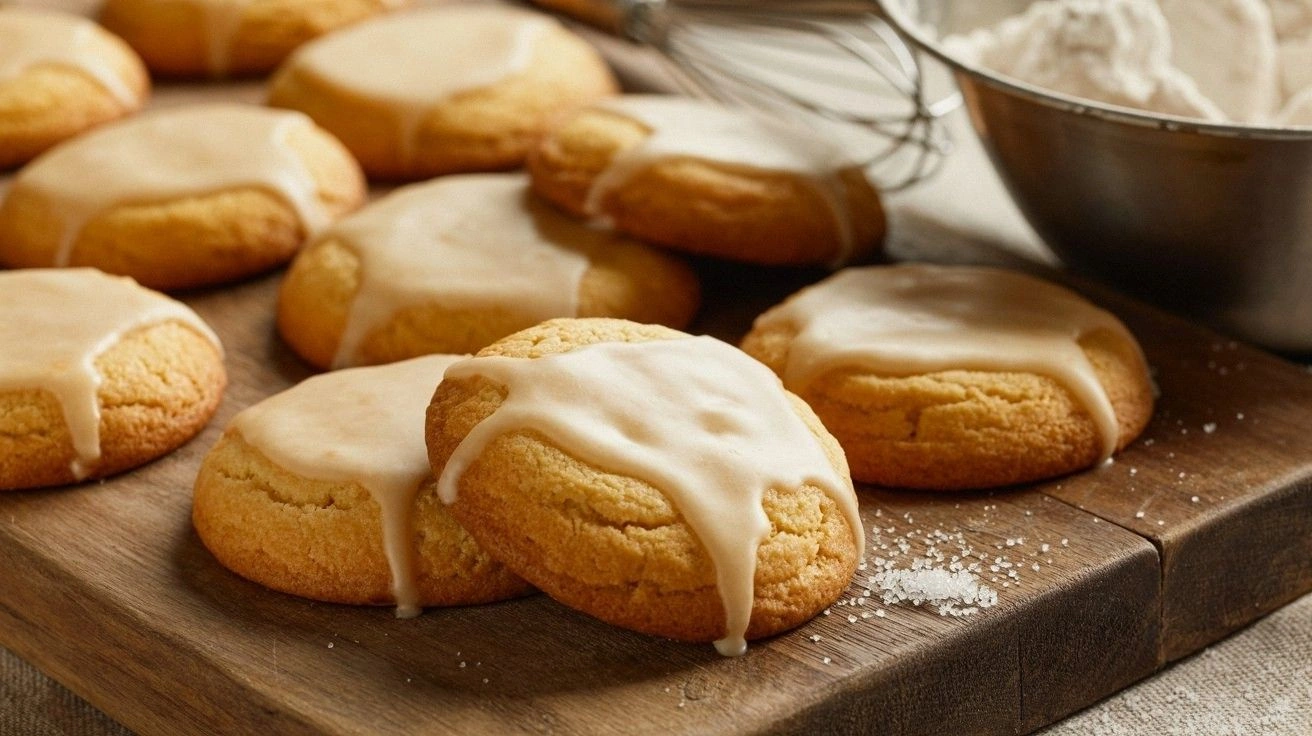
This version of Kentucky Butter Cake Cookies stands out because it marries the classic butter cake flavor with the crisp, chewy texture of a cookie, creating a hybrid that feels both nostalgic and brand new. The secret lies in the precise balance of butter and sugar, the use of both granulated and brown sugar, and a dash of baking soda that gives the cookies a lift without sacrificing chew. I’ve stripped away any unnecessary steps, so you can focus on the joy of baking rather than the frustration of complicated techniques. Every bite delivers a buttery softness that melts in your mouth, followed by a subtle caramelized crunch that lingers like a sweet echo.
What you might not expect is the clever addition of ground cinnamon and nutmeg, which elevate the flavor profile to something reminiscent of a warm, spiced bread. I dare you to taste these cookies and not go back for seconds; the combination of textures and flavors will have you questioning why you ever settled for ordinary cookies. Picture yourself pulling a tray out of the oven, the entire kitchen smelling of freshly baked comfort, and realizing that you’ve just mastered a new family favorite. Let me walk you through every single step — by the end, you’ll wonder how you ever made it any other way.
What Makes This Version Stand Out
- Flavor: The blend of butter, brown sugar, and vanilla creates a rich, cake-like taste that is both sweet and comforting.
- Texture: The dough achieves a perfect balance of airy interior and crisp edges, thanks to the right ratio of butter to flour.
- Simplicity: No need for fancy equipment or obscure ingredients—just pantry staples that you already have.
- Versatility: The recipe accommodates optional add-ins like pecans, cranberries, or chocolate chips without altering the base.
- Make‑ahead: The dough can be chilled or frozen, allowing you to bake fresh cookies whenever you like.
- Batch size: A single batch yields roughly 48 cookies, making it ideal for parties, gifts, or a large family gathering.
Inside the Ingredient List
The Flour Factor
All-purpose flour is the backbone of the cookie, providing the necessary structure to hold the buttery batter together. It’s crucial to sift the flour before measuring to avoid clumps that could lead to uneven baking. If you’re aiming for a slightly denser cookie, you can substitute half the flour with cake flour, but be prepared for a softer crumb. Skipping flour entirely would turn this into a completely different dessert, so keep it as the foundation.
The Butter & Sugar Ballet
Unsalted butter, softened to room temperature, is the star that delivers that classic buttery flavor. It’s important to use butter rather than margarine; the fat content and flavor profile are simply unmatched. Granulated sugar contributes to the cookie’s crispness, while brown sugar adds moisture and a subtle caramel note. Together, they create a batter that is both glossy and airy when mixed correctly. If you prefer a drier cookie, reduce the brown sugar slightly, but the texture will change noticeably.
The Flavor Enhancers
Vanilla extract brings depth and warmth to the dough, acting as a flavor bridge between the sweet and buttery components. A teaspoon of baking soda and a half teaspoon of baking powder work together to lift the cookies, preventing them from becoming too flat. Salt balances the sweetness, ensuring every bite hits the right note. A quarter teaspoon of ground cinnamon and nutmeg adds a subtle spice that elevates the overall profile to something reminiscent of a warm, spiced bread.
The Final Touches
Optional add-ins like chopped pecans, dried cranberries, or mini chocolate chips give each batch a unique twist. They also add texture and flavor depth, making each cookie a small work of culinary art. If you’re watching calories, you can reduce the quantity of nuts or omit them entirely. The key is to fold them gently into the dough, ensuring they’re evenly distributed without overmixing. These extras not only enhance taste but also make the cookies visually appealing.
Everything’s prepped? Good. Let’s get into the real action and make these cookies the talk of the town.
The Method — Step by Step
- Preheat your oven to 350°F (175°C) and line two baking sheets with parchment paper. The parchment prevents sticking and ensures even baking. Keep the oven rack in the center so heat circulates uniformly. A properly preheated oven is the foundation of a consistent bake.
- In a large bowl, beat the softened butter, granulated sugar, and brown sugar together until the mixture is light, fluffy, and pale. The creaming process incorporates air, which is essential for the cookie’s airy interior. Use a hand mixer or stand mixer on medium speed for about 3 minutes. Watch the color change as the sugars dissolve into the butter.
- Add the eggs one at a time, beating well after each addition. The eggs bind the mixture and add structure. Make sure each egg is fully incorporated before adding the next to avoid curdling. The batter should look smooth and glossy at this point.
- In a separate bowl, whisk together the flour, baking soda, baking powder, salt, cinnamon, and nutmeg. Mixing the dry ingredients first ensures even distribution of leavening agents. Sift the mixture once more to eliminate any lumps that could affect texture. This step is critical for a uniform rise.
- Gradually fold the dry mixture into the wet batter, mixing until just combined. Overmixing can develop gluten, resulting in tough cookies. The batter should be thick but pourable, similar to a thick pancake batter. The dough will look slightly shaggy, which is perfectly fine.
- Fold in the optional add-ins—pecans, cranberries, and chocolate chips—until evenly distributed. This step gives each cookie a distinct character. If you’re making a plain batch, simply skip this step. The add-ins add crunch and flavor bursts that complement the buttery base.
- Drop rounded tablespoonfuls of dough onto the prepared baking sheets, spacing them about 2 inches apart. The spacing allows the cookies to expand without merging. Use a cookie scoop for uniform size. This consistency ensures even baking.
- Bake for 12–14 minutes, or until the edges are golden brown and the centers look set. The cookies will still be soft when you remove them, but they will firm up as they cool. Keep an eye on the color; overbaking will dry them out.
- Let the cookies rest on the sheet for 5 minutes before transferring them to a wire rack to cool completely. This resting period allows the cookies to set and makes them easier to move. Cooling on a rack preserves the crisp edges.
That’s it — you did it. But hold on, I’ve got a few more tricks that’ll elevate these cookies from great to legendary. The next section will dive into insider secrets that even seasoned bakers will appreciate.
Insider Tricks for Flawless Results
The Temperature Rule Nobody Follows
Many bakers believe that a higher oven temperature always yields crisper cookies, but the truth is that a steady 350°F is the sweet spot for Kentucky Butter Cake Cookies. The lower temperature allows the butter to melt slowly, creating a tender crumb while still achieving a golden crust. If you’re using a convection oven, reduce the temperature by 25°F to avoid overbrowning. This simple tweak ensures consistent results every time.
Why Your Nose Knows Best
Before you even open the oven, you’ll notice a sweet, buttery aroma that signals the cookies are almost ready. Trust that scent; it’s a reliable indicator that the dough is baking properly. If the smell is too weak, the cookies may still be underbaked. If it’s too intense, they’re likely overdone. Relying on your nose saves you from guessing and ensures perfect results.
The 5-Minute Rest That Changes Everything
After baking, let the cookies sit on the sheet for exactly five minutes. This brief pause allows the structure to set, making them easier to transfer without breaking. It also lets the surface set slightly, creating a crisp exterior that contrasts beautifully with the soft interior. Skipping this step can result in fragile cookies that crumble when you pick them up.
Chill the Dough for Less Spread
Chilling the dough for at least 30 minutes before baking reduces the butter’s ability to spread during baking. The dough firms up, resulting in cookies that hold their shape and have a slightly thicker center. If you’re in a hurry, you can use the dough immediately, but the final product will be flatter and more spread out.
Use a Light Touch When Scooping
When you scoop the dough onto the baking sheet, use a light hand to avoid compressing the dough too much. Pressing down too hard can cause the cookies to spread excessively and lose their airy interior. A gentle scoop ensures each cookie remains soft inside while crisp on the edges.
Creative Twists and Variations
Chocolate‑Infused Delight
Swap the vanilla extract for melted dark chocolate and reduce the sugar slightly to balance the richness. The chocolate adds a deep, bittersweet undertone that pairs beautifully with the buttery base. This variation is perfect for chocolate lovers and makes a striking gift for holidays.
Spiced Pumpkin Twist
Add a quarter cup of pumpkin puree and a pinch of pumpkin pie spice to the batter. The pumpkin adds moisture and a subtle autumn flavor, while the spice blends seamlessly with the cinnamon and nutmeg. It’s an ideal treat for fall gatherings or Thanksgiving.
Nutty Caramel Crunch
Replace the pecans with toasted almond slivers and drizzle a caramel glaze over the cooled cookies. The caramel adds a glossy sheen and a sweet, buttery crunch that elevates the cookie to a dessert‑level experience. This version is great for dessert parties or a decadent snack.
Herb‑Infused Savory
For a surprising twist, add a teaspoon of finely chopped rosemary and a pinch of sea salt to the dough. The herb adds an aromatic note that balances the sweetness, creating a cookie that can double as an appetizer. Serve with a small cheese platter for an unexpected flavor pairing.
Gluten‑Free Version
Use a 1:1 gluten‑free flour blend in place of all-purpose flour, and add a tablespoon of xanthan gum to maintain structure. The cookies will still be airy and buttery, but with a slightly different crumb texture. This adaptation makes the recipe inclusive for those with dietary restrictions.
Storing and Bringing It Back to Life
Fridge Storage
Store cooled cookies in an airtight container at room temperature for up to 5 days. The container should be sealed tightly to prevent moisture from making the cookies soggy. If you notice the cookies have become a bit dry, place a slice of bread in the container; the bread will release moisture and keep the cookies soft.
Freezer Friendly
Arrange the cookies on a parchment‑lined tray and freeze them for up to 3 months. Once frozen, transfer the cookies to a freezer‑safe bag or container. When ready to eat, let them thaw at room temperature for 15 minutes before reheating.
Best Reheating Method
Reheat frozen or stale cookies in a preheated oven at 350°F for 5 minutes, or until the edges are warm and the center feels soft. Add a splash of water to the bottom of the baking sheet to create steam, which helps restore moisture. After reheating, let them cool on a wire rack for a minute before enjoying.