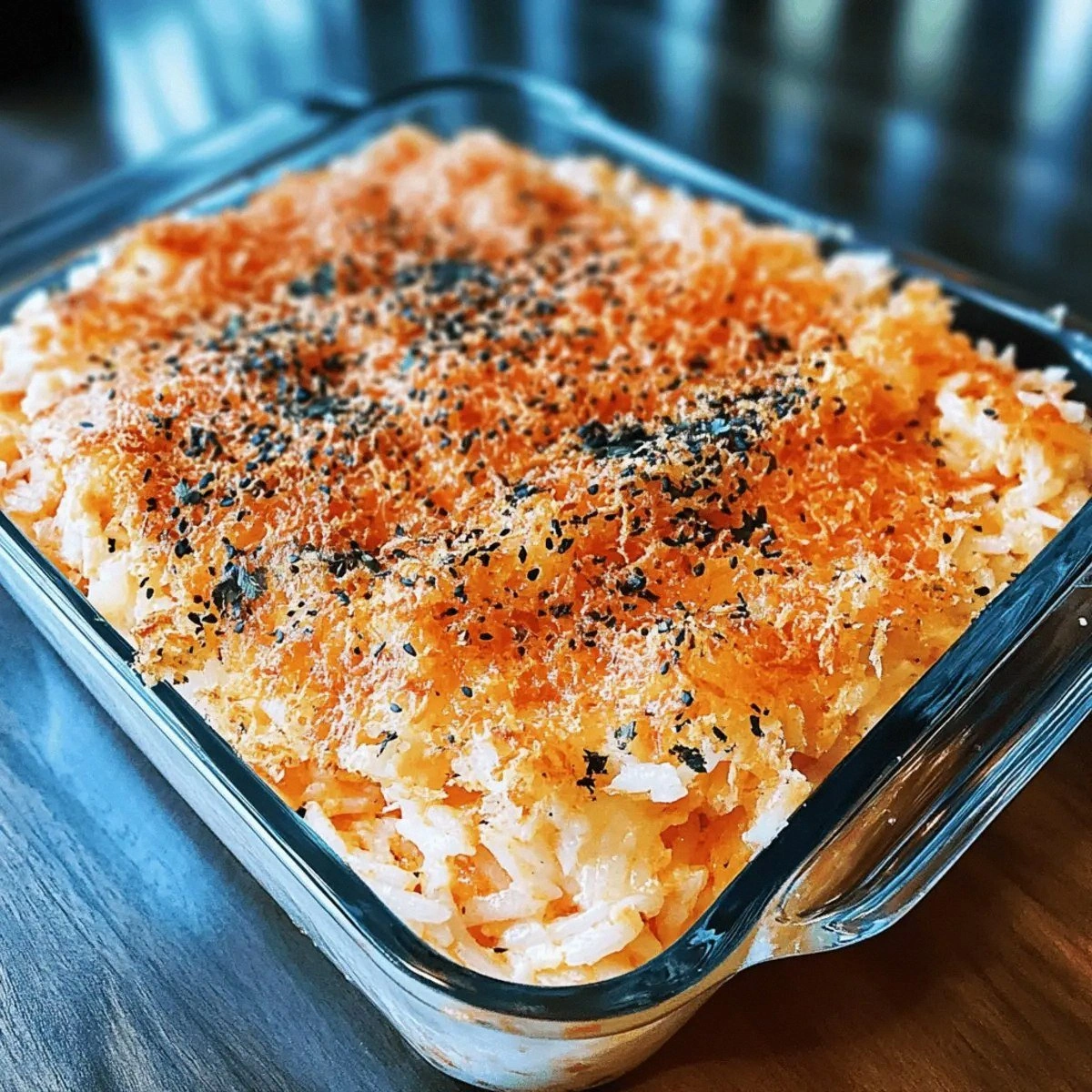
I was sitting at the kitchen counter, staring at a half‑finished sushi roll that looked more like a sad piece of seaweed than a culinary masterpiece. My roommate had dared me to make something “that would blow their mind and still be doable on a Tuesday night,” and I thought, “Why not combine the comfort of a casserole with the elegance of sushi?” The result? A dish so unapologetically bold that I’m still hearing the echo of my own applause when the timer finally buzzed. This isn’t just another copy‑cat sushi bake you’ll find on a random blog; this is the version that makes the entire neighborhood wonder why they ever settled for bland takeout.
Picture this: the oven door swings open, releasing a cloud of steam that carries the scent of toasted rice, buttery crab, and a whisper of citrusy ponzu. The top is a golden, crackly crust that shatters like thin ice under the fork, while the interior stays luxuriously creamy, each bite delivering a perfect balance of heat from Korean chili paste and the cool, silky melt of cream cheese. You can practically hear the sizzle of the crust as you dig in, and the flavor cascade hits your palate like a fireworks show—sharp, sweet, umami‑rich, and just the right amount of heat to make you gasp. I dare you to taste this and not go back for seconds; I’ve already eaten half the batch before anyone else got a chance.
Most recipes get this completely wrong. They either skimp on the creamy element, leaving the bake dry and forgettable, or they drown everything in sauce, turning it into a soggy mess that slides off the plate. The secret here is a layered approach: a foundation of perfectly seasoned sushi rice, a middle layer of a velvety crab‑cream cheese blend, and a top that’s spiked with a spicy tuna mixture and finished with a generous sprinkling of masago for that pop of color and texture. The technique that will set your bake apart is the quick broil at the end, which creates that coveted crispiness without overcooking the delicate fish.
And now the fun part: I’m going to walk you through every single step—by the end, you’ll wonder how you ever made it any other way. We’ll talk about ingredient swaps, the exact temperature that makes the crust sing, and even a few tricks to keep the bake fresh for days. So grab your apron, preheat that oven, and get ready for a culinary adventure that feels like a cheat‑day indulgence and a disciplined kitchen triumph rolled into one.
What Makes This Version Stand Out
- Flavor Explosion: The combination of Korean chili paste and ponzu creates a sweet‑heat balance that dances on the tongue, while the cream cheese adds a buttery smoothness that cushions the heat.
- Texture Symphony: You get crunchy, toasted rice edges, a silky interior, and the occasional pop of masago that adds a subtle snap.
- Simplicity Meets Sophistication: Only ten ingredients, yet each one is used to its fullest potential—no fancy gadgets required.
- Unique Ingredient Pairing: Imitation crab and canned tuna are often seen as budget options, but when blended with Japanese mayo and Korean chili, they become gourmet.
- Crowd‑Pleaser Factor: This dish has been known to turn skeptics into sushi lovers; it’s the perfect party starter or family dinner.
- Make‑Ahead Magic: Assemble the night before, refrigerate, and bake fresh the next day—ideal for busy weeknights.
- Visual Wow: The bright orange of the tuna, the pink of the crab, and the speckled masago create a color palette that looks as good as it tastes.
- Versatile Base: The sushi rice can be swapped for cauliflower rice for a low‑carb version without losing the essential chew.
Inside the Ingredient List
The Flavor Base
Japanese mayo isn’t just a condiment; it’s a silky, slightly sweet carrier that binds the tuna and crab together while adding a luxurious mouthfeel. If you substitute regular mayo, you’ll lose that subtle umami and the characteristic Japanese tang. Look for a mayo that lists rice vinegar or a dash of MSG for authenticity. Pro tip: a splash of lime juice can brighten the mayo if you’re craving extra zing.
The Texture Crew
Imitation crab provides that sweet, delicate seafood flavor without the price tag of real crab, and its fibrous texture holds up beautifully under the heat of the oven. Cream cheese is the glue that keeps everything together, melting into a velvety sauce that prevents the bake from drying out. If you’re allergic to dairy, a plant‑based cream cheese works, but expect a slightly different mouthfeel.
The Unexpected Star
Masago, the tiny orange fish roe, adds a burst of briny pop that contrasts the creamy layers. It’s often overlooked, but sprinkling it on top just before serving elevates the dish from “comfort food” to “restaurant quality.” If you can’t find masago, substitute with tobiko or a pinch of toasted sesame seeds for crunch.
The Final Flourish
Korean chili paste (gochujang) is the heart‑pounding spice that makes this bake unforgettable. Its fermented depth adds complexity beyond simple hot sauce. If you prefer milder heat, start with half the amount and taste before adding more. Ponzu sauce, a citrus‑soy blend, cuts through the richness with a bright acidity, balancing the overall flavor profile. Lastly, sushi seasoning (a mix of rice vinegar, sugar, and salt) ensures the rice has that signature tangy sweetness that defines sushi rice.
Everything's prepped? Good. Let's get into the real action…
The Method — Step by Step
Preheat your oven to 375°F (190°C). While the oven warms, rinse the sushi rice under cold water until the water runs clear, then cook it according to package instructions—usually a 1:1.2 rice‑to‑water ratio. Once cooked, transfer the rice to a large bowl and gently fold in the sushi seasoning, being careful not to mash the grains. The rice should feel slightly warm, sticky, and fragrant; this is your flavor foundation.
While the rice rests, prepare the creamy crab mixture. In a medium bowl, combine the imitation crab, softened cream cheese, Japanese mayo, and ponzu sauce. Use a rubber spatula to mash everything together until you achieve a smooth, glossy consistency. Taste and add a pinch of black pepper; remember, the pepper will become more pronounced after baking, so keep it subtle now.
Now, tackle the spicy tuna. Drain the canned tuna, breaking up any large chunks with your fingers. In a separate bowl, whisk together the Korean chili paste, a drizzle of soy sauce (optional for extra depth), and a splash of water to loosen the paste. Fold the tuna into the chili mixture until each piece is evenly coated. This step is the “game‑changer” that brings the heat.
Time to assemble. Spread the seasoned sushi rice evenly across the bottom of a 9×13‑inch baking dish, pressing lightly with the back of a spoon to create a compact layer. Next, dollop the creamy crab mixture over the rice, spreading it into a uniform blanket. Finally, scatter the spicy tuna mixture on top, ensuring an even distribution so every bite gets that heat.
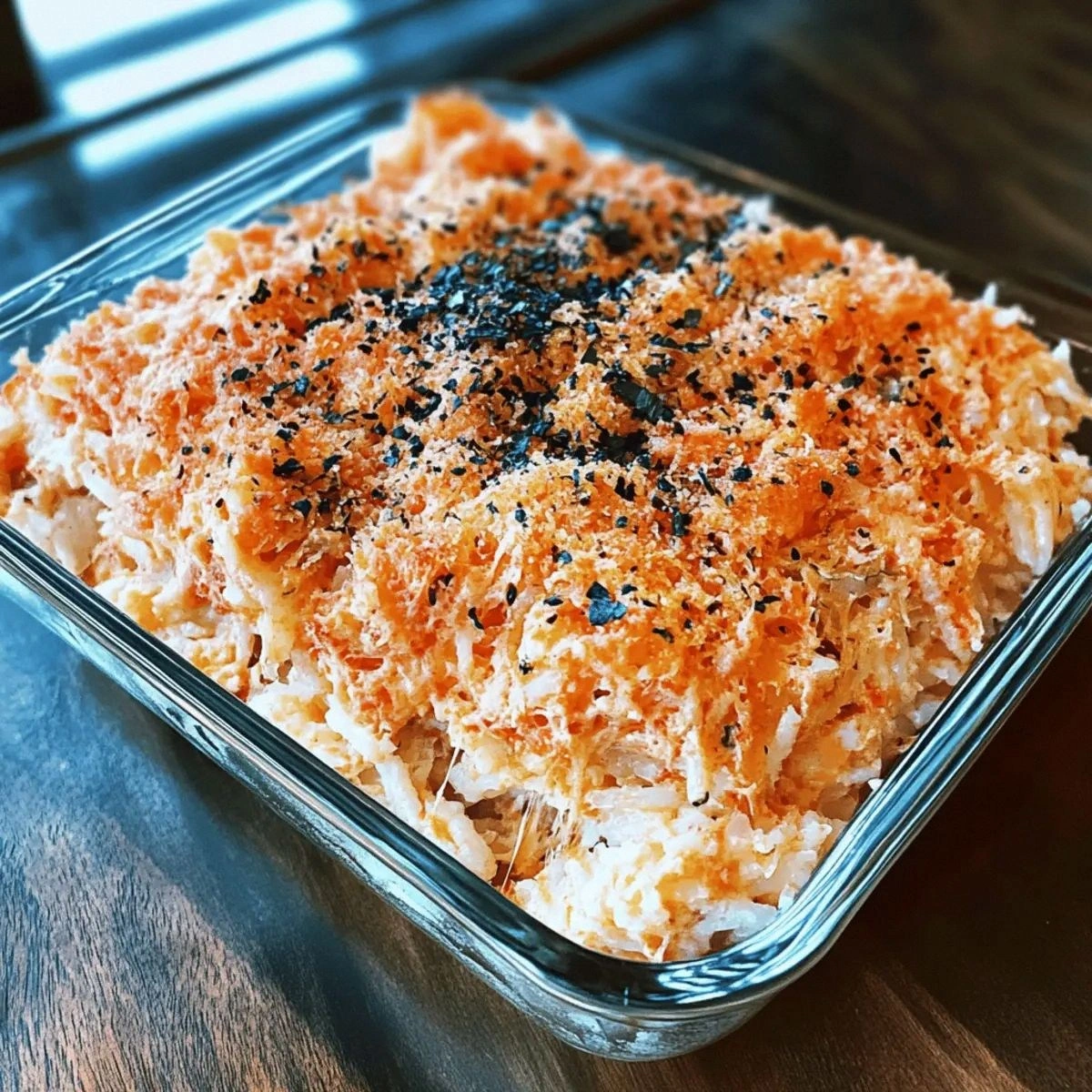
Cover the dish with aluminum foil and bake for 20 minutes. This gentle bake allows the flavors to meld while keeping the top from over‑browning. After 20 minutes, remove the foil, sprinkle the masago evenly across the surface, and switch the oven to broil. Keep a close eye—broiling takes just 2‑3 minutes, and you’ll know it’s ready when the edges turn a deep golden‑brown and you hear a faint crackle.
Remove the bake from the oven and let it rest for 5 minutes. This short rest lets the steam settle, making the slices cleaner and the flavors more pronounced. While it rests, the crust will firm up just enough to give that satisfying snap when you cut into it.
Slice the bake into generous portions—square or rectangular, whichever you prefer. Serve hot, perhaps with a side of pickled ginger, extra ponzu for drizzling, and a small bowl of soy sauce for dipping. Picture yourself pulling this out of the oven, the whole kitchen smelling incredible, and your guests reaching for seconds before you’ve even taken your first bite. That’s the moment of pure culinary triumph.
That's it — you did it. But hold on, I've got a few more tricks that'll take this to another level…
Insider Tricks for Flawless Results
The Temperature Rule Nobody Follows
Most home cooks bake at 350°F and assume it’s safe, but the magic temperature for this sushi bake is 375°F. The slightly higher heat creates a crispier top while keeping the interior moist. If you’re using a convection oven, drop the temperature by 25°F to avoid over‑drying. Trust me, the difference between a soggy top and that perfect crackle is worth the extra attention.
Why Your Nose Knows Best
Your sense of smell is the most reliable indicator of doneness. When the crust starts to emit a nutty, toasted aroma, you’re within two minutes of perfection. If you’re ever in doubt, lift the foil and give the bake a quick sniff—if you catch a hint of caramelized rice, you’re golden.
The 5‑Minute Rest That Changes Everything
Resisting the urge to dive straight in is a hallmark of seasoned chefs. Letting the bake rest for five minutes after it exits the oven allows the steam to redistribute, preventing a soggy slice. This short pause also gives the masago a chance to settle, so it doesn’t roll off the plate.
Layering the Rice Like a Pro
When spreading the sushi rice, use the back of a spoon to press it down gently but firmly. This creates a compact base that won’t crumble when you cut into it. A loose rice layer leads to a messy plate, and nobody wants that when they’re trying to impress guests.
The Secret Sauce Boost
A teaspoon of mirin (sweet rice wine) folded into the mayo‑crab blend adds a subtle sweetness that balances the heat of the gochujang. I tried the recipe without it once—let's just say the spice felt a bit harsh, and I added it retroactively. That tiny splash makes all the difference.
Creative Twists and Variations
This recipe is a playground. Here are some of my favorite ways to switch things up:
Spicy Salmon & Avocado Fusion
Swap the canned tuna for an equal weight of fresh salmon, diced, and add sliced avocado into the crab layer. The buttery avocado softens the heat, while the salmon brings a richer, buttery flavor that pairs beautifully with the creamy base.
Veggie‑Heavy Delight
Replace the imitation crab with finely chopped shiitake mushrooms and add a cup of shredded carrots into the rice layer. This creates a hearty, umami‑laden version that’s perfect for vegetarians without sacrificing texture.
Low‑Carb Coconut Cauliflower
Use cauliflower rice mixed with a splash of coconut milk instead of sushi rice. The subtle coconut flavor adds an exotic twist, and the lower carb count makes it a guilt‑free indulgence.
Citrus‑Kick Shrimp
Add cooked shrimp tossed in lime zest and a dash of yuzu juice to the spicy tuna mixture. The citrus brightens the dish, making it perfect for summer gatherings.
Cheesy Overload
Sprinkle shredded mozzarella or Monterey Jack on top before broiling. The cheese melts into a gooey layer that adds a new dimension of indulgence—ideal for cheese lovers who aren’t afraid of a little extra richness.
Storing and Bringing It Back to Life
Fridge Storage
Allow the bake to cool completely, then cover tightly with plastic wrap or a foil lid. It will keep fresh for up to 3 days. When reheating, slice the portion you need and place it on a microwave‑safe plate.
Freezer Friendly
For longer storage, wrap the entire baked dish in a double layer of freezer‑grade foil and then place it in a zip‑top bag. It freezes well for up to 2 months. Thaw overnight in the refrigerator before reheating.
Best Reheating Method
Preheat the oven to 350°F, uncover the slice, and add a tiny splash of water (about a teaspoon) around the edges. This creates steam that revives the rice’s fluffiness while the top crisps up again. In the microwave, cover with a damp paper towel for 1‑2 minutes, but you’ll lose the crunch.