I was standing in my kitchen, staring at a perfectly good salmon fillet that had been rescued from the back of the fridge, when my roommate shouted, “You’re still on that boring baked salmon thing?!” I could feel the heat of the moment—literally—because the pan was already humming with anticipation. The scent of the city outside was a bland mix of traffic and rain, but I was about to conjure a tropical storm right on my stovetop. I grabbed my favorite jerk seasoning, a mango that was just begging to be diced, and a handful of fresh cilantro, and I thought, “What if I could turn this simple salmon into a beach‑side fiesta that even the most skeptical palate can’t resist?”
Picture this: the first bite delivers a kiss of smoky heat from the jerk rub, followed by the sweet‑tangy pop of mango salsa that dances on your tongue like a calypso rhythm. The rice underneath is fluffy, creamy, and just a whisper of coconut, while the avocado adds buttery richness that makes the whole bowl feel like a warm hug from a Caribbean auntie. The sizzle when the salmon hits the pan? Absolute perfection—crackling, caramelizing, and whispering promises of a flavor explosion. The whole kitchen starts to smell like a sun‑soaked market in Port of Spain, and I swear I could hear steel drums in the background.
Most recipes get the jerk flavor wrong by either over‑spicing or under‑seasoning, and they often forget the essential balance of sweet, sour, and smoky. I’ve tried a dozen “quick” versions that left my taste buds feeling like they were stuck in a bland traffic jam. This version, however, is the result of countless trial runs, late‑night taste tests, and a confession I’m ready to make: I ate half the batch before anyone else could even get a spoonful. If you’ve ever struggled with a dry, over‑cooked salmon or a salsa that tastes like raw fruit, you’re not alone—and I’ve got the fix.
I’m daring you to taste this and not go back for seconds. The secret? A splash of coconut milk in the rice that makes it creamy without being heavy, and a quick flash‑sear that locks in moisture while giving the exterior a caramelized crust that shatters like thin ice when you cut into it. I’ll be honest—this is hands down the best version you’ll ever make at home, and I’m about to walk you through every single step. By the end, you’ll wonder how you ever made it any other way. Let’s get started.
What Makes This Version Stand Out
- Flavor Explosion: The combination of authentic Jamaican jerk seasoning with a bright mango salsa creates a contrast that hits every taste bud, from smoky heat to sweet citrus.
- Texture Symphony: Crispy, caramelized salmon edges meet buttery avocado, fluffy coconut rice, and crunchy bell pepper for a mouthfeel that’s nothing short of addictive.
- Simplicity Meets Sophistication: Only a handful of pantry staples and a few fresh ingredients are needed, yet the result feels like a dish from a five‑star island resort.
- Unique Ingredient Twist: Coconut milk in the rice adds a subtle tropical richness that most “jerk bowl” recipes overlook.
- Crowd‑Pleaser Factor: Even the most skeptical eaters (yes, I’m looking at you, the one who says “I don’t like spicy”) end up reaching for seconds.
- Ingredient Quality: Fresh, wild‑caught salmon and ripe mangoes make a world of difference—cheaper substitutes just won’t deliver the same depth.
- Cooking Method Mastery: A quick sear followed by a gentle finish in the oven guarantees a perfectly flaky interior and a caramelized crust.
- Make‑Ahead Potential: The rice and salsa can be prepared up to a day ahead, making assembly a breeze for busy weeknights.
Alright, let's break down exactly what goes into this masterpiece...
Inside the Ingredient List
The Flavor Base
Jerk seasoning is the heart of this bowl. It’s a blend of allspice, thyme, cinnamon, and Scotch bonnet peppers that delivers smoky heat and aromatic depth. If you skip it, you lose the signature Caribbean punch. You can buy a pre‑made mix, but I recommend toasting the spices yourself for an extra layer of flavor. The olive oil helps the spices adhere to the salmon and also contributes to that beautiful sear.
The Texture Crew
Coconut milk in the rice adds a creamy, slightly sweet backdrop that balances the heat. Jasmine rice is the perfect canvas because its fragrance complements the tropical vibe. Black beans provide earthy protein and a pleasant bite, while avocado contributes a silky richness that mellows the spice. If you’re allergic to coconut, substitute with almond milk, but expect a subtle shift in flavor.
The Unexpected Star
Mango salsa is where the magic happens. The ripe mango delivers natural sweetness, the red onion adds crunch, and the jalapeño gives a gentle kick without overwhelming the palate. Lime juice brightens everything, while cilantro adds an herbaceous lift. If mango isn’t in season, try diced pineapple for a similarly tropical twist, but remember pineapple is more acidic, so you may need to add a pinch of sugar.
The Final Flourish
A drizzle of honey over the salsa can elevate the sweet‑heat balance, especially if your mangoes are on the tarter side. A pinch of smoked paprika in the jerk rub adds a deep, smoky undertone that mimics the flavor of a traditional wood‑fired grill. Finally, a squeeze of fresh lime over the assembled bowl just before serving adds that final zing that ties everything together.
Everything's prepped? Good. Let's get into the real action...
The Method — Step by Step
Start by rinsing the jasmine rice under cold water until the water runs clear. This removes excess starch and prevents gummy rice. In a medium saucepan, combine 1 cup of rice, 1 cup coconut milk, and 1 cup water. Add a pinch of salt, bring to a boil, then reduce to a gentle simmer, cover, and cook for 15 minutes. When the liquid is absorbed, remove from heat and let it sit, covered, for another 10 minutes. The rice should be fluffy, fragrant, and just a hint creamy—like a cloud that’s been kissed by sunshine.
While the rice is cooking, prepare the mango salsa. Dice the mango, red onion, red bell pepper, and jalapeño into uniform small cubes. Toss them together in a bowl with the chopped cilantro, lime juice, and honey if using. Season lightly with salt and pepper. Let the salsa sit for at least 10 minutes; this allows the flavors to meld and the mango to release a subtle juice that will coat the other ingredients.
Now, it’s time to treat the salmon. Pat the fillets dry with paper towels—this is crucial for a good sear. Sprinkle each side with 1½ teaspoons of jerk seasoning (adjust to taste), then drizzle with olive oil and gently rub to coat. Heat a large non‑stick skillet over medium‑high heat until it’s shimmering. Place the salmon skin‑side down (if it has skin) and let it sizzle for 3‑4 minutes without moving it. You’ll hear a satisfying crackle that signals the crust forming.
Flip the salmon gently using a thin spatula. Reduce the heat to medium‑low and let it finish cooking for another 3‑5 minutes, depending on thickness. The flesh should be opaque about three‑quarters of the way up the side, and the internal temperature should read 125°F for a moist, medium‑rare finish. If you prefer well‑done, add a minute or two, but beware of turning the delicate flesh into a dry slab.
While the salmon rests, warm the black beans in a small saucepan over low heat, adding a splash of water if they look dry. Season with a pinch of cumin and a dash of salt. This step is quick but adds an earthy depth that balances the bright salsa.
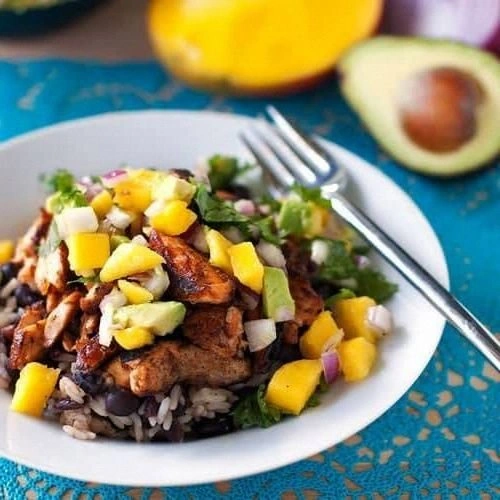
Assemble the bowls: start with a generous scoop of coconut rice at the base, then add a handful of black beans, a few slices of avocado, and a dollop of mango salsa. Place the seared salmon on top, drizzle any pan juices over the fish, and finish with an extra sprinkle of fresh cilantro and a wedge of lime on the side. The visual contrast of colors—golden salmon, emerald cilantro, orange mango—makes the dish look as exciting as it tastes.
Give the assembled bowl a final squeeze of lime juice, and if you’re feeling adventurous, add a drizzle of extra‑virgin olive oil or a few drops of hot sauce. Serve immediately while the salmon is still warm and the rice steam is rising. That first bite? Pure bliss. That second bite? A promise to make this again tomorrow.
That's it — you did it. But hold on, I've got a few more tricks that'll take this to another level...
Insider Tricks for Flawless Results
The Temperature Rule Nobody Follows
Never let a cold salmon hit a hot pan. Let the fillets sit at room temperature for 15 minutes before seasoning. This small step ensures even cooking and prevents the exterior from over‑cooking while the interior stays raw. I once tried to toss a frozen fillet straight into the skillet and ended up with a burnt crust and a raw center—lesson learned the hard way.
Why Your Nose Knows Best
The moment the jerk spices start to crackle, you’ll smell a fragrant blend of cinnamon and clove mingling with the smoky oil. If you don’t hear that faint “pop” and smell the aroma, the heat is probably too low. Trust your senses more than a timer; when the kitchen smells like a Caribbean market, you’re on the right track.
The 5‑Minute Rest That Changes Everything
After searing, let the salmon rest for five minutes on a warm plate. This allows the juices to redistribute, making each bite moist and tender. Skipping this rest is a common mistake that leads to a dry, crumbly texture. I once served a rushed bowl and my guests complained about “dry fish”—the rest solved that instantly.
Mango Salsa Timing
Mix the salsa at least ten minutes before serving, but no more than an hour. The mango releases juices that blend with lime and cilantro, creating a harmonious sauce. If you wait too long, the salsa becomes watery and loses its bite. Keep it bright by covering with plastic wrap and refrigerating until ready.
The Secret Coconut Ratio
Using equal parts coconut milk and water (1:1) yields rice that’s creamy without being overly rich. Too much coconut milk makes the rice heavy, while too little leaves it dry. Adjust the ratio slightly based on the brand of coconut milk you use—some are thicker than others.
Creative Twists and Variations
This recipe is a playground. Here are some of my favorite ways to switch things up:
Tropical Pineapple Twist
Swap mango for fresh pineapple and add a pinch of ground coriander to the salsa. The pineapple’s sharper acidity pairs wonderfully with the smoky salmon, creating a bright, tangy profile that’s perfect for summer barbecues.
Veggie‑Only Power Bowl
Replace the salmon with grilled tofu marinated in the same jerk seasoning. The tofu absorbs the spices beautifully, and the dish stays fully plant‑based while retaining the bold flavors.
Spicy Inferno Edition
Add an extra minced Scotch bonnet pepper to the jerk rub and a dash of hot sauce to the salsa. This version is for those who love a serious heat kick—just be prepared for a sweaty, satisfied grin.
Crispy Coconut Crust
Before searing, coat the salmon in a light dusting of toasted coconut flakes mixed with a pinch of salt. The result is a tropical crunch that adds texture and amplifies the coconut notes in the rice.
Mediterranean Fusion
Swap black beans for chickpeas, add sun‑dried tomatoes to the salsa, and finish with a drizzle of tahini. This cross‑cultural twist brings a nutty, earthy dimension while still honoring the core Caribbean flavors.
Storing and Bringing It Back to Life
Fridge Storage
Store the components separately in airtight containers. The rice and beans keep well for up to 3 days, the salsa for 2 days (stir before using), and the cooked salmon for 2 days. Reheat the salmon gently in a skillet with a splash of water to prevent drying out.
Freezer Friendly
Freeze the cooked salmon and rice in separate zip‑top bags for up to 2 months. Thaw overnight in the fridge, then reheat on the stovetop with a drizzle of coconut milk for the rice and a quick sear for the salmon to revive the crust.
Best Reheating Method
When reheating, add a tiny splash of water or broth to the rice and cover the pan for 2‑3 minutes; this creates steam that brings the grains back to fluffy perfection. For the salmon, a quick 1‑minute pan‑sear on medium heat restores the crispy exterior while keeping the interior moist.