I still remember the carnage from last summer's barbecue like it was yesterday. My buddy Dave—convinced he could eyeball burger measurements—slapped together what he proudly called "quarter-pounders" that turned out to be sad, shrunken hockey pucks clinging to the grill grates. Smoke everywhere, guests politely nibbling crackers, the dog looking betrayed. In desperation I raided my kitchen, mixed a frantic blend of ground beef, Worcestershire, salt, and pepper, and slapped the patties into a screaming-hot cast-iron pan. Fifteen minutes later the same skeptics were elbowing each other out of the way for seconds, moaning through mouthfuls of juicy, lace-edged beef draped in melted American cheese. That impromptu burger—now christened the Crack Burger—has since become my not-so-secret weapon. Picture yourself standing at the stove, the smell of seared beef mingling with toasty buns, the faint hiss of fat rendering, the anticipation crackling like static electricity. This is not another dry, obligatory patty recipe. This is the burger that converts vegetable loyalists, the one that prompts friends to schedule dinner "whenever you're making those things again." The trick lives in three tiny details most recipes gloss over: the right fat ratio, a gentle hand when forming patties, and a rest period that feels unnecessary until you taste the difference. Stick with me here—this is worth it. Let me walk you through every single step—by the end, you'll wonder how you ever made it any other way.
What Makes This Version Stand Out
- Beef-to-Fat Sweet Spot: An 80/20 blend guarantees self-basting juiciness without flare-ups. Leaner mixes taste cotton-dry; fattier blends shrink into greasy meatballs. This ratio hits the bull's-eye.
- Worcestershire Wallop: A mere tablespoon sneaks in umami depth you'd normally get from dry-aging. It seasons from the inside out, so every bite tastes like steakhouse secrets.
- Smash-Free Crust: Instead of squishing patties flat and sacrificing juices, you press once, early, with a spatula back—just enough to maximize surface contact and develop a mahogany crust that shatters like thin ice.
- American Cheese Melt Factor: Processed slices get a bad rap, yet their low melting point cloaks crags and crevices in creamy cohesion. Fancy aged cheddar can't compete once you witness the lava-like drape.
- 15-Minute Reality Check: From fridge to first bite, the process moves faster than delivery. If you've ever stared at an app countdown, you'll appreciate this speed.
- Make-Ahead Magic: Form patties up to 24 hours early, layer between parchment, and refrigerate. When hunger strikes, you leap straight to the sizzle while everyone else is still rifling through take-out menus.
Alright, let's break down exactly what goes into this masterpiece...
Inside the Ingredient List
The Flavor Base
Ground beef carries the torch, so buy freshly ground chuck if possible. Pre-packaged tubes work, yet ask a butcher to coarse-grind a chuck/brisket blend and you'll taste the upgrade. The 20 percent fat keeps patties lubricated, acting like internal basting. Skip the 90/10 health-aisle stuff; you'll end up chewing sawdust. If you're stuck with lean beef, fold in two tablespoons of cold, grated butter per pound—picture tiny treasure pockets that melt and self-baste on the griddle.
The Texture Crew
Kosher salt rather than table salt gives uneven, crunchy pops that mimic steakhouse seasoning. Black pepper adds floral heat; go freshly cracked for citrusy top notes. Worcestershire sauce is your umami bomb, a fermented anchovy-garlic-tamarind elixir that seeps through the protein strands. Don't swap soy sauce; it's too one-dimensional. And resist the urge to add breadcrumbs or egg—this is burger territory, not meatloaf night.
The Unexpected Star
American cheese divides food snobs, but here it reigns supreme. Its emulsifiers melt into a glossy sheet that hugs every curve, sealing juices and preventing the dreaded bun soak-through. If you insist on artisanal choices, pick a young fontina or mild Havarti—anything aged longer refuses to flow. Vegans can swap in a quality cashew-based slice; just cover the pan for 30 seconds to trap steam and encourage melt.
The Final Flourish
Brioche buns bring buttery richness, but their softness demands toasting; otherwise they collapse under juice weight. Sesame buns add nostalgic crunch; lightly butter and griddle-cut side down until golden. Shredded lettuce offers airy loft, while tomato slices need a paper-towel blot to avoid watery slides. Red onion, soaked in ice water for ten minutes, sheds its harsh bite yet keeps snap. Pickles are optional, though a couple of dill chips slice through richness like zingy interjections.
Everything's prepped? Good. Let's get into the real action...
The Method — Step by Step
- Divide the beef into four loose balls without overworking. Over-kneading activates myosin, turning burgers into rubber. Think cloud-like clumps, not tennis balls. Place them on a parchment-lined tray and park in the freezer for ten minutes; a quick chill firms fat so the patties hold an edge.
- Heat a cast-iron skillet over medium-high until a drop of water skitters like a disco dancer. Swirl in a teaspoon of neutral oil; you want just enough to discourage stick, not deep-fry. The pan should whisper smoke—if it billows, you've overshot. That sizzle when the patty lands? Absolute perfection.
- Season one side of each patty with salt and pepper; keep the top bare until flip time. Lay the patties seasoned-side down and press once with a spatula back to maximize crust contact. Don't move them after that; undisturbed sear equals Maillard magic. Your kitchen will start smelling like a steakhouse at full tilt—embrace it.
- Cook for three minutes. You'll notice the top turning matte and edges pulling away, signaling a crust forming below. Slide your spatula under; if resistance greets you, wait another 30 seconds. The goal is a mahogany lacquer that shatters under tooth pressure.
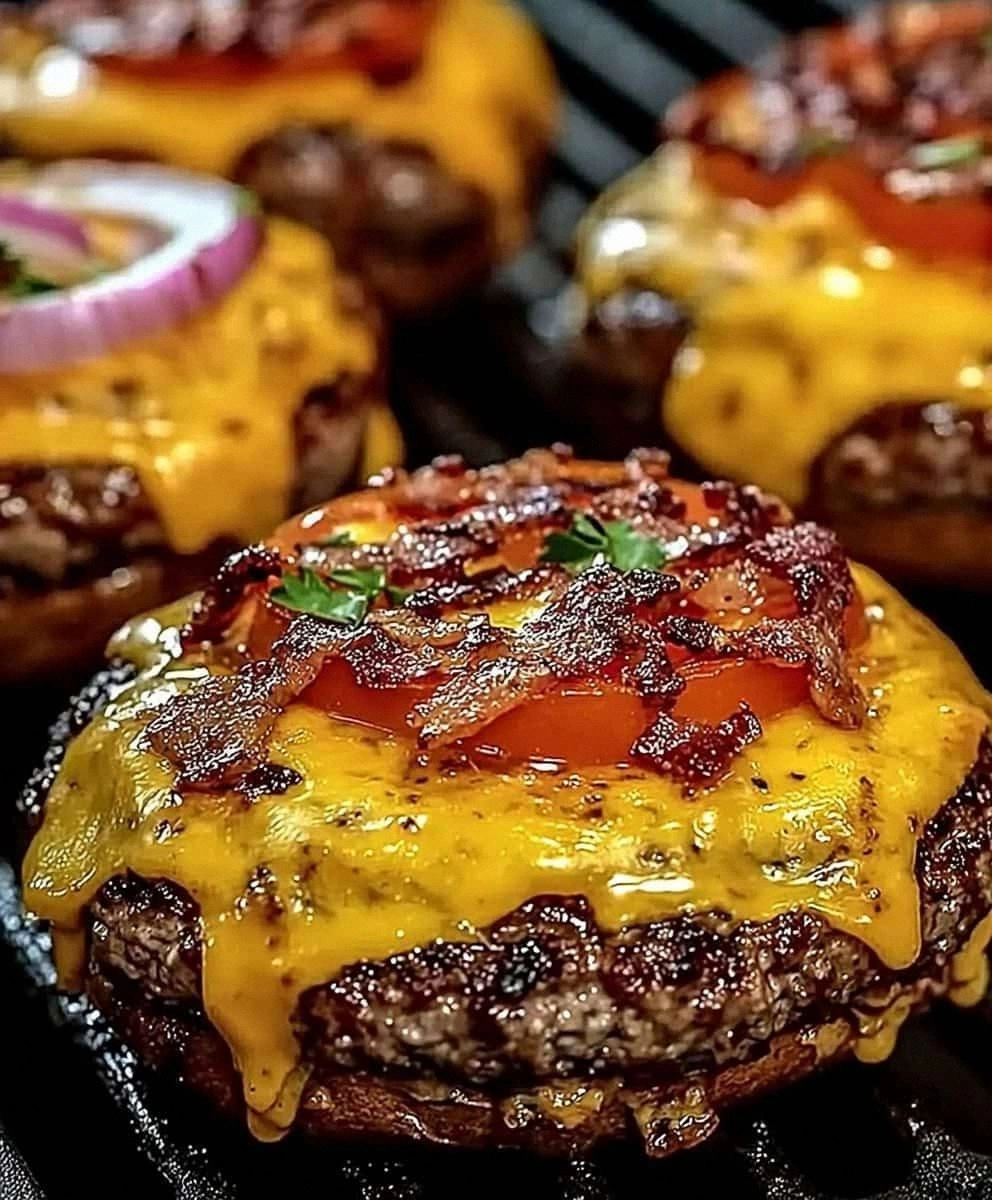
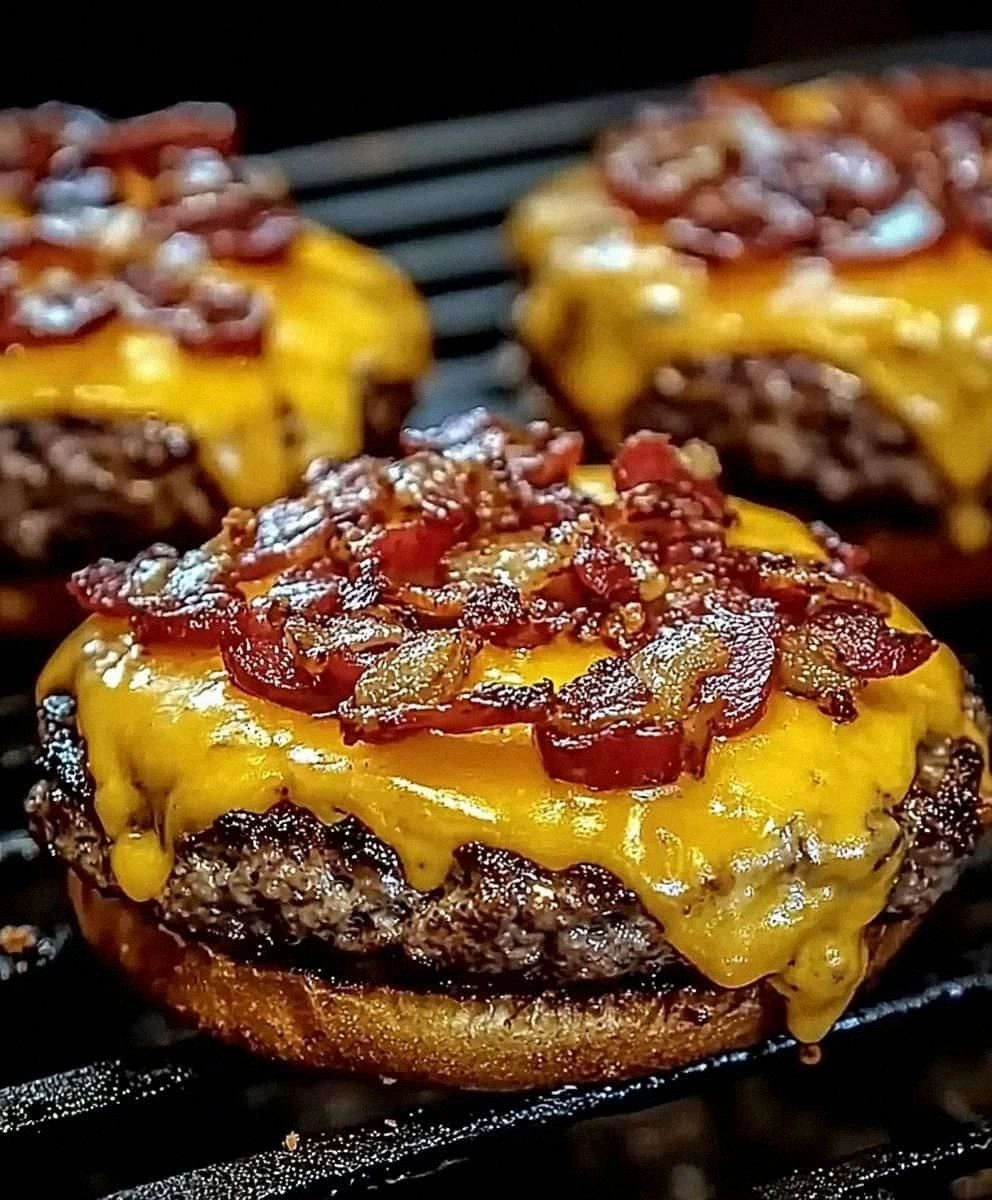
- Flip, immediately season the now-exposed crown, and drape with cheese. Cover the pan with a lid or baking sheet; the trapped steam turbo-melts the cheese into a velvety blanket. This next part? Pure magic. The cheese edges will drip and crisp into lacy frico that tastes like grilled-cheese candy.
- Meanwhile, brush cut sides of buns with softened butter and toast on a separate dry griddle until edges turn nut-brown. Watch closely—brioche goes from bronzed to brunt in a blink. Toasted interiors act as bun-armor, preventing soggy surrender to meat juices.
- After two minutes, the patties should feel springy yet firm—press the center; juices should run pale pink, not crimson. Transfer to a plate and rest for five minutes. I dare you to taste this and not go back for seconds. Resting allows juices to redistribute; skip it and they'll evacuate onto the cutting board.
- Assemble bottom bun, a fluff of shredded lettuce, the cheese-draped patty, tomato slice, onion shards, pickles if using, and condiments in whatever anarchic order you prefer. Crown with the top bun, press gently, and serve immediately. The first bite crackles through crust, gives way to molten center, and finishes with creamy cheese—it's burger nirvana.
That's it—you did it. But hold on, I've got a few more tricks that'll take this to another level...
Insider Tricks for Flawless Results
The Temperature Rule Nobody Follows
Most recipes toss out random cook times, ignoring that stoves vary like snowflakes. Instead, memorize the finger test: press the patty center with your index finger. If it feels as soft as your cheek, it's rare; if it bounces like the tip of your nose, you're at medium. Firm like your forehead? Well-done territory. Master this and you'll never slice a burger to check, hemorrhaging precious juices. A friend tried skipping this step once—let's just say it didn't end well; we still tease him about "hockey-puck night."
Why Your Nose Knows Best
Smell is your built-in kitchen thermometer. When the aroma shifts from raw iron to nutty grilled steak, you've hit the Maillard jackpot. If you catch acrid whiffs, you've crossed into bitter burn country—reduce heat immediately. Trusting your olfactory radar frees you from hovering over a meat probe and makes you look like a culinary clairvoyant. Plus, that scent cloud drifts through the house and herds everyone to the kitchen like cartoon aroma fingers.
The 5-Minute Rest That Changes Everything
Resting meat isn't just for prime rib. Those five off-heat minutes let proteins relax and reabsorb liquid, meaning your bun stays intact instead of dissolving into a pink puddle. Tent loosely with foil to prevent heat loss, but don't wrap airtight or the crust steams limp. I'll be honest—I ate half the batch before anyone else got to try it because I skipped the rest once. The resulting juice flood still haunts my cutting board dreams.
Creative Twists and Variations
This recipe is a playground. Here are some of my favorite ways to switch things up:
Smoky Bacon Crack
Fold two tablespoons of finely diced, uncooked bacon into the beef. The fat renders internally, weaving smoky ribbons through every bite. Top with extra crisp bacon strips for the pork-on-pork double feature. Barbecue purists will weep tears of joy.
Spicy Southwest
Swap American cheese for pepper Jack, add a pinch of smoked paprika to the seasoning, and finish with chipotle mayo. A quick pickled red onion replaces raw for tangy heat that blooms rather than bites.
Mushroom Umami Bomb
Sauté minced cremini until mahogany, cool, and mix into the beef. The mushrooms act like stealth sponges, boosting meatiness while trimming calories. Crown with Swiss and a swipe of truffle aioli for earth-shattering depth.
Breakfast Blitz
Shrink patties into slider size, top with American, and sandwich inside toasted mini waffles. Add a runny fried egg and a drizzle of maple-mustard. Brunch crowds lose their minds over the sweet-savory synergy.
Mediterranean Escape
Season beef with oregano, garlic powder, and a whisper of cinnamon. Serve in warmed pita with tzatziki, tomato-cucumber salad, and a crumble of feta. You get crack-burger DNA with Greek vacation vibes.
Low-Carb Lettuce Armor
Grill thick romaine hearts until char marks appear; they become flexible yet sturdy wraps. Double the cheese to compensate for bun absence, add avocado slices, and wrap like a burrito. Carb dodgers rejoice without sacrificing the crack experience.
Storing and Bringing It Back to Life
Fridge Storage
Cool cooked patties completely, then stack in an airtight container separated by parchment. Refrigerate up to three days. Reheat in a dry skillet over medium, flipping every minute until warmed through. Add fresh cheese in the final 30 seconds so it melts rather than dries. Avoid microwaves; they turn crusts into rubber coasters.
Freezer Friendly
Shape raw patties, season, and freeze individually on a tray. Once solid, vacuum-seal or wrap in plastic plus foil. They keep three months without freezer burn. Cook from frozen, adding two extra minutes per side. Texture stays surprisingly intact because the fat protects cell walls from ice crystals.
Best Reheating Method
Preheat oven to 275°F, place patties on a wire rack over a sheet pan, and add a splash of beef broth to the pan. Cover loosely with foil; the gentle steam resurrects juiciness without turning the exterior soggy. After ten minutes, finish under the broiler for 60 seconds to re-crisp edges. Add a tiny splash of water before reheating—it steams back to perfection and fools guests into thinking you just cooked fresh.