I’ll be honest — I was in the middle of a rainy Thursday night when my roommate dared me to create a lasagna that could make even the most stubborn pasta purist weep with joy. The kitchen was a mess of flour dust and the only thing that sounded louder than the storm outside was the frantic clatter of my wooden spoon against the pot. I could smell the garlic already flirting with the butter, the Parmesan whispering promises of cheesy decadence, and somewhere in the background my oven let out a confident hum that felt like a drumroll for what was about to happen. I was terrified, exhilarated, and absolutely certain that if this turned out right, it would become the new “go‑to” comfort food for anyone who ever thought lasagna was just for Sundays.
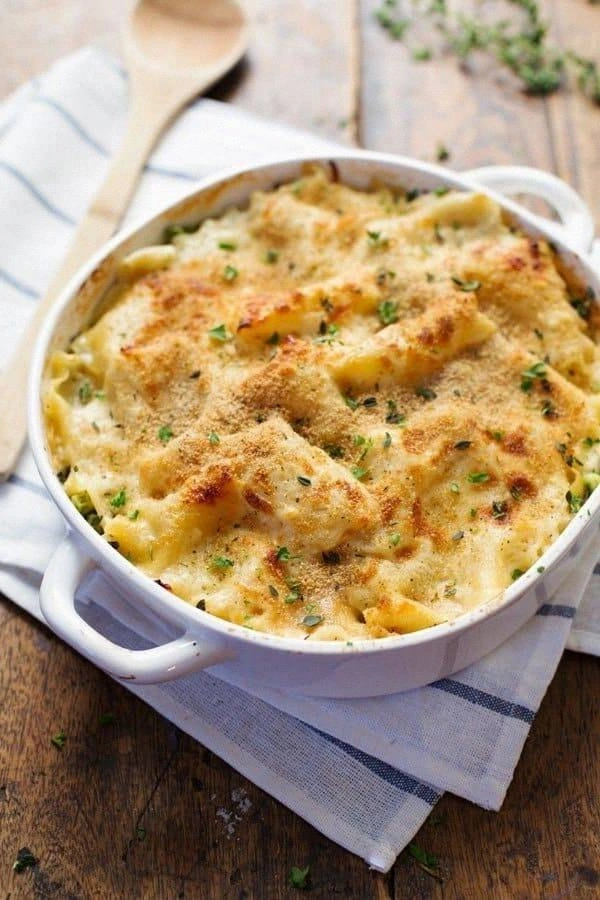
Picture yourself pulling this out of the oven, the whole kitchen smelling incredible, the golden top crackling like fresh autumn leaves under a gentle breeze. The steam that escapes is a cloud of buttery garlic, creamy cheese, and tender chicken that wraps around each noodle like a warm blanket. When you cut the first slice, the layers separate cleanly, each strand of pasta coated in a sauce that feels like velvet yet holds a subtle bite of toasted garlic. The texture? Imagine the crisp edge of a perfectly toasted baguette meeting the silky melt of mozzarella — that contrast is what makes this dish unforgettable.
Most recipes get this completely wrong: they either drown the chicken in a watery sauce or they overload the lasagna with cheese to the point where the noodles become soggy. Here’s what actually works: a light yet flavorful béchamel infused with roasted garlic, a generous sprinkling of Parmesan that creates a caramelized crust, and shredded chicken that stays juicy because it’s poached just enough to stay tender. I’m daring you to taste this and not go back for seconds; the balance is so spot‑on that you’ll be counting the minutes until the next dinner.
Okay, ready for the game‑changer? I’m about to reveal a tiny secret ingredient — a splash of dry white wine in the béchamel — that adds depth without making the sauce taste alcoholic. This little twist elevates the entire dish from “good” to “hands down the best version you’ll ever make at home.” Let me walk you through every single step — by the end, you’ll wonder how you ever made it any other way.
What Makes This Version Stand Out
- Flavor Explosion: The roasted garlic‑infused béchamel coats the pasta like velvet, while the Parmesan creates a caramelized, nutty crust that sings with every bite.
- Texture Harmony: Crispy, golden edges that shatter like thin ice meet a creamy, melt‑in‑your‑mouth interior, giving you a satisfying crunch and silk together.
- Simplicity Wins: Only ten ingredients, five simple steps, and a handful of pantry staples mean you won’t need a culinary degree to nail this.
- Unexpected Star: A splash of dry white wine in the sauce adds a subtle acidity that cuts through the richness, making each forkful feel light.
- Crowd‑Pleaser: Whether it’s a family dinner or a potluck, people rave about the cheesy pull and the fragrant garlic aroma that fills the room.
- Ingredient Quality: Using freshly grated Parmesan and high‑quality chicken breast ensures every bite is pure, unadulterated flavor.
- Cooking Method: Baking at a high temperature creates that coveted “crackly top” while the gentle simmer of the sauce keeps everything moist.
- Make‑Ahead Magic: Assemble the night before, refrigerate, and bake fresh in the morning — perfect for busy weekdays.
Inside the Ingredient List
The Flavor Base
Garlic is the undisputed hero of this lasagna. I use six cloves, minced fine enough that they melt into the butter, releasing a sweet, caramelized aroma that spreads through the sauce like a warm hug. If you skip the garlic, you’ll end up with a bland béchamel that feels like plain milk — a tragedy for any pasta lover. Want a milder punch? Roast the cloves first; the char adds a smoky depth that pairs beautifully with the Parmesan.
Parmesan Cheese: Freshly grated Parmigiano‑Reggiano is non‑negotiable. Its sharp, nutty flavor creates the golden crust we all crave. Pre‑grated versions are convenient but lack the granular texture that melts into a perfect, slightly crunchy top. If you can’t find Parmigiano, a good quality Pecorino Romano works as a bold substitute.
The Texture Crew
Chicken Breast: I poach the chicken in a low‑sodium broth with a sprig of thyme, then shred it by hand. This method keeps the meat juicy and prevents the dreaded dry, overcooked bite that can ruin a lasagna. Skipping the poaching step and using rotisserie chicken is tempting, but the extra fat and seasoning can throw off the delicate balance of flavors.
Lasagna Noodles: I opt for no‑boil noodles because they absorb the sauce while retaining a pleasant bite. If you prefer traditional boiled noodles, make sure to undercook them by one minute — they’ll finish cooking in the oven and won’t turn mushy.
The Unexpected Star
Dry White Wine: Just a quarter cup, added to the béchamel after the roux forms, lifts the sauce with a faint acidity that brightens the garlic and cheese. The alcohol evaporates, leaving behind a nuanced flavor profile that feels sophisticated without being pretentious. If you’re avoiding alcohol, substitute with a splash of chicken broth mixed with a teaspoon of lemon juice.
Butter and Flour (Roux): This classic combination creates the thickening backbone of the béchamel. The butter should be melted over medium heat until it foams, then the flour is whisked in to form a smooth paste that cooks for about two minutes to eliminate any raw flour taste. Skipping this step leads to a watery sauce that never clings to the noodles.
The Final Flourish
Mozzarella: Shredded low‑moisture mozzarella gives that glorious stretch and melt that everyone expects from a lasagna. If you love a gooey pull, add a handful of fresh buffalo mozzarella in the last layer for extra richness.
Ricotta (Optional): A dollop of ricotta between layers adds a silkiness that balances the sharpness of Parmesan. I like to mix it with a pinch of nutmeg and a splash of lemon zest to brighten the palate. If you’re dairy‑intolerant, a silken tofu blend works surprisingly well.
Everything's prepped? Good. Let’s get into the real action…
The Method — Step by Step
First, preheat your oven to 425°F (220°C). While the oven is heating, bring a large pot of salted water to a boil and add the lasagna noodles. Cook them for just two minutes less than the package recommends, then drain and set aside on a clean kitchen towel. This tiny under‑cooking trick ensures the noodles finish cooking evenly in the oven without turning mushy.
Next, poach the chicken. In a shallow pan, combine low‑sodium chicken broth, a few sprigs of thyme, a bay leaf, and a splash of the same white wine you’ll use later. Bring to a gentle simmer, add the chicken breasts, and let them cook for 8‑10 minutes until just opaque. Remove, let cool, then shred with two forks. Watch Out: Overcooking the chicken not only dries it out but also releases excess moisture that will make the sauce watery.
Now for the béchamel. Melt 4 tablespoons of butter in a saucepan over medium heat. As soon as it foams, whisk in 4 tablespoons of all‑purpose flour, stirring constantly for two minutes until the mixture turns a light golden color (that’s your roux). Slowly pour in 3 cups of whole milk, whisking vigorously to avoid lumps. Once the sauce thickens, add the minced garlic, the quarter cup of white wine, a pinch of nutmeg, and season with salt and pepper. Let it simmer for another three minutes, then stir in 1½ cups of grated Parmesan until it melts into a glossy, velvety sauce.
While the sauce simmers, combine the shredded chicken with 1 cup of mozzarella and a handful of fresh herbs (parsley or basil work great). Mix gently so the cheese stays in little pockets that will melt into molten rivers when baked. This is the moment of truth: the chicken should be evenly coated but not drowned in cheese, preserving the delicate garlic‑Parmesan balance.
Time to assemble. Spread a thin layer of béchamel on the bottom of a 9×13‑inch baking dish — this prevents the noodles from sticking. Lay three noodles over the sauce, then spoon half of the chicken‑cheese mixture, drizzle another third of the béchamel, and sprinkle a third of the remaining mozzarella. Repeat the layering once more, finishing with a final layer of noodles, the remaining béchamel, and a generous topping of mozzarella and the last tablespoon of Parmesan.
Cover the dish tightly with aluminum foil and bake for 20 minutes at 425°F. After that, remove the foil and continue baking for another 15‑20 minutes, or until the top is a deep golden brown and the edges are bubbling and pulling away from the sides of the pan. The aroma at this point should be unmistakable — toasted garlic, caramelized cheese, and a hint of wine that makes your stomach do a happy dance.
Once out of the oven, let the lasagna rest for at least ten minutes. This resting period allows the layers to set, making each slice clean and tidy. While you wait, the kitchen will fill with a lingering scent that whispers, “You’ve just created something legendary.” Serve with a simple green salad and a glass of chilled white wine, and watch the compliments roll in.
That's it — you did it. But hold on, I've got a few more tricks that'll take this to another level…
Insider Tricks for Flawless Results
The Temperature Rule Nobody Follows
Most home cooks bake lasagna at 350°F, assuming a lower temperature keeps it from drying out. In reality, the high heat of 425°F creates a caramelized crust while the interior stays moist thanks to the sauce. If you fear burning, simply start at 425°F for the first 15 minutes, then drop to 375°F for the remaining time; you’ll get the best of both worlds.
Why Your Nose Knows Best
The moment the garlic hits the butter and begins to sizzle, you’ll hear a faint crackle — that’s your cue that the roux is ready. Trust that sound more than the timer; a perfect roux is the foundation of a silky béchamel. If the mixture starts to smell burnt before it turns golden, lower the heat immediately.
The 5‑Minute Rest That Changes Everything
Resisting the urge to dive in right away is a test of patience, but those five minutes let the sauce thicken and the layers settle. A common mistake I see is cutting too early, resulting in a sloppy plate where the sauce floods out. Letting it rest also gives the cheese a chance to firm up, making each slice look picture‑perfect.
Layering Like a Pro
Instead of slathering on a mountain of sauce, think of each layer as a brushstroke. A thin, even coat of béchamel on the bottom prevents sticking, while a generous but not overwhelming amount between layers ensures every bite has that creamy punch. Over‑saucing is the culinary equivalent of over‑editing a photo — it dilutes the impact.
The Secret of Fresh Herbs
Adding a handful of freshly chopped parsley or basil after the lasagna comes out of the oven lifts the entire dish with a burst of brightness. It’s a tiny step that makes the flavors sing, especially after the richness of cheese and chicken. I once tried skipping this garnish; the final bite felt flat, like a song missing its final chord.
Creative Twists and Variations
This recipe is a playground. Here are some of my favorite ways to switch things up:
Spicy Jalapeño Kick
Dice two jalapeños and sauté them with the garlic. The heat pairs beautifully with the cool creaminess of the béchamel, creating a subtle fire that doesn’t overwhelm. Perfect for those who love a little zip without reaching for a bottle of hot sauce.
Mushroom Medley
Swap half of the chicken for a blend of cremini, shiitake, and portobello mushrooms. Sauté the mushrooms until they release their juices, then fold into the cheese mixture. The earthy umami adds depth and makes the dish vegetarian‑friendly while still delivering that hearty feel.
Sun‑Dried Tomato Delight
Stir in a quarter cup of chopped sun‑dried tomatoes into the béchamel for a tangy burst of flavor. The tomatoes’ concentrated sweetness cuts through the richness, giving the lasagna a Mediterranean twist that pairs well with a glass of Chianti.
Four‑Cheese Luxury
Add ½ cup each of Gruyère and Fontina to the mozzarella‑Parmesan blend. These cheeses melt wonderfully and lend a buttery, nutty note that elevates the dish to a decadent cheat‑day masterpiece.
Pesto Swirl
Before the final cheese topping, drizzle a generous spoonful of fresh basil pesto over the béchamel and swirl with a knife. The herbaceous green ribbons create a beautiful visual contrast and a fresh flavor that brightens the entire plate.
Storing and Bringing It Back to Life
Fridge Storage
Let the lasagna cool completely, then cover tightly with foil or a reusable lid. It will keep fresh for up to four days. When reheating, place a splash of water (about two tablespoons) around the edges of the dish, cover with foil, and bake at 350°F for 20‑25 minutes until heated through. The steam from the water revives the creamy sauce.
Freezer Friendly
Assemble the lasagna, but don’t bake it. Wrap the dish tightly in plastic wrap followed by aluminum foil, label, and freeze for up to three months. To bake from frozen, increase the oven temperature to 425°F, bake covered for 40 minutes, then uncover for the final 20 minutes to get that golden crust.
Best Reheating Method
For a single serving, slice a piece, sprinkle a few extra mozzarella on top, and microwave on high for 1½‑2 minutes, pausing to stir the middle. For a crisper finish, finish the microwaved slice under the broiler for two minutes. The tiny water splash trick works here too — just a drizzle before microwaving keeps the sauce from drying out.