It was a rainy Tuesday, and I had just pulled a batch of plain grilled chicken from the oven that had turned out more like a sad, dry slab than the juicy, caramelized masterpiece I crave. I stared at it, thinking, “What am I missing?” That moment of culinary frustration turned into a revelation when I remembered the last time I’d had a Hawaiian dinner at a local spot: sweet pineapple glaze, subtle soy, a hint of ginger, and that unmistakable island heat. I dared myself to recreate that experience at home, and the result was a dish that not only satisfied my taste buds but also turned my kitchen into a tropical getaway. This isn’t just another grilled chicken recipe; it’s a passport to paradise that you can serve for dinner, a crowd‑pleaser for parties, or a comforting family meal. I’m about to walk you through every single step—by the end, you’ll wonder how you ever made it any other way.
Picture this: the grill is already hot, the air is filled with the sweet scent of caramelizing pineapple, and the sizzling sound is a rhythmic drumbeat that promises a flavor explosion. I dare you to taste this and not go back for seconds—because the combination of sweet, salty, and a touch of heat will have you hooked from the first bite. If you’ve ever struggled with bland grilled chicken, you’re not alone, and I’ve got the fix. Most recipes get this completely wrong by overcooking the meat or using too much sauce that ends up soaking the chicken instead of coating it. Here’s what actually works: a balanced glaze that caramelizes without burning, a marinating step that infuses the meat with subtle sweetness, and a grill technique that locks in juices. I’ll show you how to avoid the pitfalls that have ruined so many grilled chicken attempts.
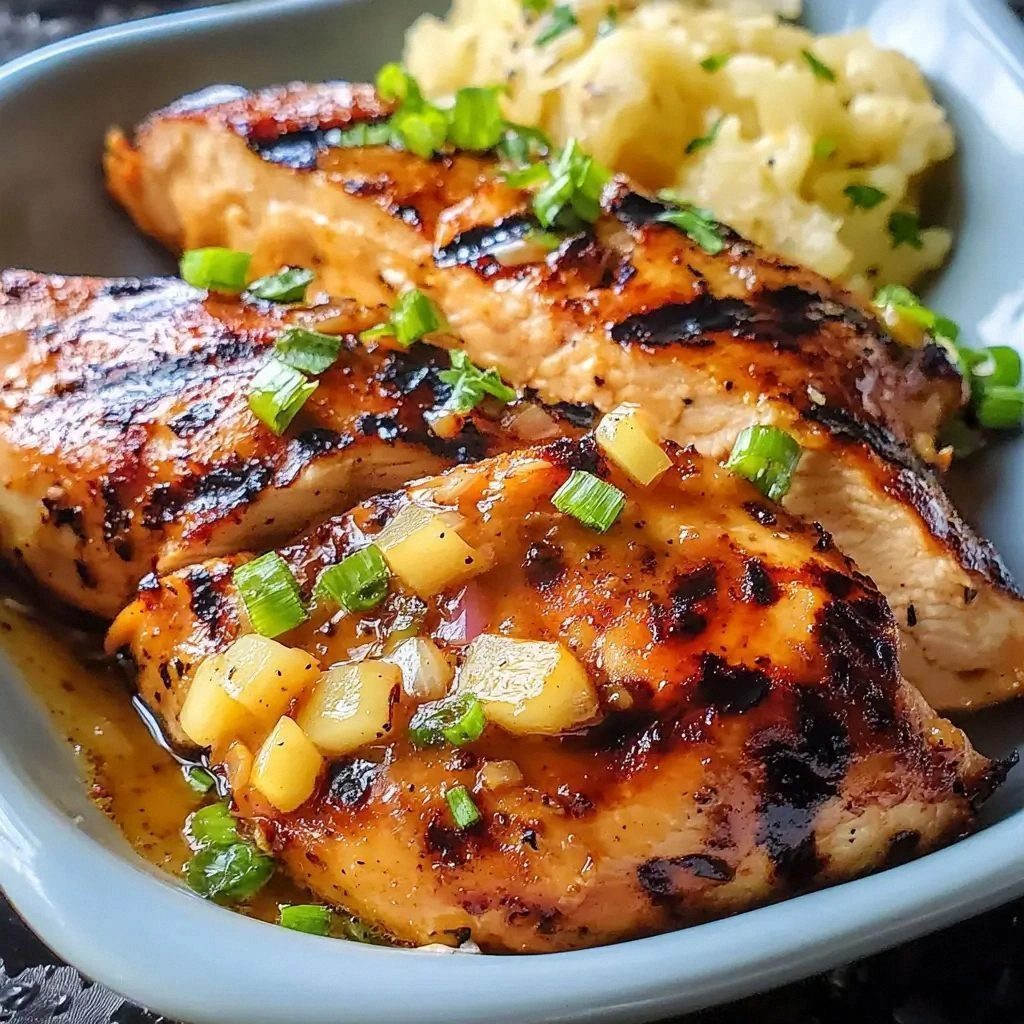
Now, let’s talk about the secret sauce that turns ordinary chicken into something that feels like a tropical vacation. The glaze is a symphony of pineapple juice, soy sauce, brown sugar, honey, and a splash of rice vinegar that balances the sweetness with acidity. The ginger and garlic provide a punch of flavor that cuts through the richness, while the sesame oil adds a nutty aroma. A splash of lime juice at the end brightens the entire dish, and fresh cilantro gives it that fresh, herbal kick that you can’t find in pre‑made marinades. The combination of these ingredients creates a glaze that coats the chicken like velvet, leaving a glossy finish that’s both visually stunning and irresistibly tasty.
And here’s the kicker: this version is hands down the best you’ll ever make at home. The key is the balance of sweet and savory, the careful timing on the grill, and the final touch of fresh pineapple slices that add a juicy crunch. Picture yourself pulling this out of the grill, the whole kitchen smelling incredible, and the family rushing to the table, eyes widening at the sight of that glossy, caramelized glaze. The moment the first bite hits your tongue, the flavors burst like a tropical fireworks show. So buckle up, because I’m about to take you through the entire process, step by step, with tips that will make you a grill master in no time.
What Makes This Version Stand Out
- Flavor: The glaze balances sweet pineapple with salty soy, creating a depth that simple marinades lack. The subtle heat from ginger and a touch of sriracha adds a layer of complexity that makes each bite memorable.
- Texture: The chicken develops a crisp, caramelized exterior while remaining tender and juicy inside. The glaze sets into a glossy, almost lacquered finish that clings to the meat.
- Simplicity: With fewer than twenty ingredients, this recipe is straightforward yet impressive. No fancy equipment required—just a grill and a few common pantry staples.
- Uniqueness: The use of fresh pineapple slices on top and toasted sesame seeds as garnish gives a fresh, textural contrast that elevates the dish.
- Crowd Reaction: Guests rave about the sweet‑savory combo, and the dish is perfect for parties, potlucks, or a casual dinner.
- Ingredient Quality: Using fresh pineapple juice and high‑quality soy sauce ensures a bright, authentic flavor that’s hard to beat.
- Cooking Method: Grilling imparts a smoky char that’s essential to the Hawaiian vibe—no other cooking method captures that aroma.
- Make‑Ahead Potential: The glaze can be prepared in advance, and the chicken can marinate for up to 24 hours, making it a great option for busy weeknights.
Alright, let's break down exactly what goes into this masterpiece…
Inside the Ingredient List
The Flavor Base
At the heart of this dish lies the glaze—a carefully measured blend that balances sweetness, umami, and acidity. Pineapple juice provides natural sugars and a bright, tropical note. Soy sauce contributes depth and saltiness, while brown sugar and honey bring caramelized sweetness that locks in when grilled. Rice vinegar offers a subtle acidity that cuts through the richness, preventing the glaze from becoming cloying. A splash of lime juice at the end adds a citrusy zing that lifts the entire flavor profile. Together, these ingredients create a sauce that coats the chicken like velvet, leaving a glossy finish that’s both visually stunning and irresistibly tasty.
The Texture Crew
Grilled Hawaiian Chicken isn’t just about flavor; the texture is what makes it unforgettable. The chicken breasts are patted dry before grilling to encourage a beautiful sear. Sesame oil is brushed on the surface, creating a slight crispness that enhances the caramelization of the glaze. Fresh pineapple slices are added at the end, adding a juicy crunch that contrasts with the tender meat. Toasted sesame seeds sprinkle over the finished dish, offering a subtle crunch and nutty aroma that ties everything together. If you prefer a softer texture, simply omit the sesame oil and focus on the glaze’s caramelization.
The Unexpected Star
Ginger and garlic are the unsung heroes that bring depth and heat to the dish. Freshly grated ginger adds a bright, peppery kick that cuts through the sweetness of the pineapple, while minced garlic provides a savory backbone. A dash of sriracha or chili flakes introduces a subtle heat that lingers on the palate, making the dish memorable. If you’re a fan of bold flavors, increase the amount of ginger or sriracha; if you prefer a milder taste, reduce them accordingly. These aromatics are essential—they’re what elevate this recipe from good to unforgettable.
The Final Flourish
The finishing touches are what make this dish feel like a culinary celebration. Fresh cilantro adds a burst of herbal freshness that balances the sweet glaze. Lime juice brightens the overall flavor, while toasted sesame seeds add a nutty crunch. A drizzle of olive oil before serving keeps the chicken moist and adds a silky texture. For an extra burst of color, garnish with a few slices of fresh pineapple—each bite delivers a juicy, tropical explosion. If you’re serving a crowd, consider plating the chicken on a bed of rice or quinoa to absorb the remaining glaze and keep the meal cohesive.
Everything’s prepped? Good. Let's get into the real action…
The Method — Step by Step
- Step 1: Prepare the Glaze. In a medium bowl, whisk together pineapple juice, soy sauce, brown sugar, honey, ketchup, rice vinegar, grated ginger, minced garlic, and a splash of lime juice. The mixture should look glossy and the sugars should be fully dissolved. Set aside; this will be your secret weapon for flavor and caramelization. If you want an extra kick, stir in a teaspoon of sriracha or chili flakes. This step is the foundation—don’t skip it, or the dish will feel flat.
- Step 2: Marinate the Chicken. Pat the chicken breasts dry with paper towels. Place them in a resealable bag and pour half of the glaze over the top, reserving the rest for basting. Seal the bag and massage the mixture into the meat, ensuring every surface is coated. Refrigerate for at least 2 hours, ideally 6–8, or up to 24 for maximum flavor infusion. The longer the chicken marinates, the more tender and flavorful it becomes. This is the moment where the magic begins—don't rush it.
- Step 3: Preheat the Grill. Heat your grill to medium‑high, aiming for around 400°F (200°C). Clean the grates with a brush and oil them lightly with a paper towel dipped in oil to prevent sticking. A hot grill ensures a perfect sear, while a clean surface keeps the chicken from tearing. If you’re using a charcoal grill, allow the coals to reach a steady orange glow before placing the chicken. A well‑preheated grill is the secret to a crisp exterior.
- Step 4: Grill the Chicken. Remove the chicken from the bag and discard the used glaze. Place the breasts on the grill, skin side down (if applicable). Sear for 3–4 minutes until grill marks appear, then flip. Brush the reserved glaze over the top of each breast as it cooks. Continue grilling for another 4–5 minutes, basting every minute. The chicken should reach an internal temperature of 165°F (74°C) and have a caramelized, glossy finish. Keep a close eye on the glaze; it can burn quickly if left unattended.
- Step 5: Add Fresh Pineapple. During the last minute of grilling, place a few slices of fresh pineapple on top of each chicken breast. The heat will caramelize the pineapple, giving it a caramelized crust that pairs perfectly with the glaze. This step adds a juicy crunch that contrasts with the tender meat. The pineapple’s natural sugars caramelize beautifully, creating a sweet, smoky flavor that’s unmistakably tropical.
- Step 6: Rest the Chicken. Once the chicken reaches 165°F, remove it from the grill and let it rest on a cutting board for 5 minutes. Resting allows the juices to redistribute, ensuring the meat stays moist. While it rests, let the remaining glaze reduce on the grill or in a small saucepan to create a thicker sauce. Resting is essential; it prevents the meat from drying out and locks in the flavors.
- Step 7: Finish the Sauce. Pour the remaining glaze into a small saucepan and simmer over medium heat until it thickens to a syrupy consistency, about 3–4 minutes. Stir constantly to prevent burning. This concentrated sauce will be drizzled over the chicken for an extra burst of flavor. A thick glaze coats the meat like velvet, making each bite decadent.
- Step 8: Plate and Garnish. Slice the chicken breasts into strips, arrange on a platter, and drizzle the thickened sauce over the top. Sprinkle chopped cilantro, toasted sesame seeds, and a few fresh pineapple slices for garnish. Finish with a light drizzle of olive oil to keep the meat moist and glossy. The final presentation should look vibrant, with bright green cilantro, golden pineapple, and a glossy glaze that invites you to dig in immediately.
- Step 9: Serve Immediately. Serve the chicken hot, ideally with a side of steamed rice, quinoa, or a fresh salad. The warmth of the glaze and the aroma of grilled pineapple will fill your kitchen and your guests’ senses. Pair with a light white wine or a chilled beer for a complete Hawaiian experience. The dish is best enjoyed fresh; it’s a feast for the senses.
That's it—you did it. But hold on, I've got a few more tricks that'll take this to another level. From a quick glaze reduction to a final citrus twist, these subtle touches elevate the dish from great to legendary.
Insider Tricks for Flawless Results
The Temperature Rule Nobody Follows
Grilling at the right temperature is crucial. Many cooks set the grill to high, but the ideal range for chicken breasts is medium‑high (around 400°F). This allows the exterior to caramelize without overcooking the interior. If you’re using a gas grill, keep the lid open for the first 2 minutes to let the heat build, then close it for the remainder of the cooking time. This technique ensures a juicy center and a crisp, flavorful crust.
Why Your Nose Knows Best
During the grilling process, the aroma is a reliable indicator of doneness. When the glaze begins to caramelize, you’ll notice a sweet, slightly smoky scent rising. This is the moment when the sugars are forming a glossy coating. If you wait too long, the glaze will burn and taste bitter. Trust your nose—once the scent turns from sweet to caramelized, it’s time to flip or remove the chicken.
The 5‑Minute Rest That Changes Everything
Resting the chicken for 5 minutes after grilling is non‑negotiable. This brief pause allows the juices to redistribute throughout the meat, preventing them from spilling out when you cut. The result is a moist, flavorful bite that stays juicy even when you slice into it. Skipping the rest will leave your chicken dry and less satisfying.
Brushing Sesame Oil Before Grilling
Before placing the chicken on the grill, brush a light layer of sesame oil over the surface. This creates a subtle crispness and enhances the nutty aroma of the glaze. It also prevents the chicken from sticking to the grates, ensuring clean, even grill marks. A few micro‑spreads of oil are enough—too much will make the meat greasy.
Using Fresh Pineapple for Crunch
Adding fresh pineapple slices during the last minute of grilling caramelizes them just enough to provide a juicy crunch. The natural sugars caramelize, creating a sweet, slightly smoky flavor that complements the glaze. If you prefer a softer texture, you can add the pineapple after the chicken has rested, letting it warm up in the residual heat.
Stirring the Glaze Constantly
When reducing the remaining glaze to a syrupy consistency, stir constantly to avoid scorching. The sugars can burn quickly, especially on a high flame. Use a heat‑resistant spatula to stir and keep the sauce from sticking to the pan. The end result should be a glossy, thick sauce that coats the chicken perfectly.
Creative Twists and Variations
This recipe is a playground. Here are some of my favorite ways to switch things up:
Spicy Mango Glaze
Swap the pineapple juice for mango puree and add a tablespoon of habanero paste. The result is a sweet, spicy glaze that’s a tropical heatwave. Perfect for those who love a kick.
Teriyaki Fusion
Replace soy sauce with tamari and add a splash of mirin. The sauce takes on a richer, sweeter profile that pairs beautifully with grilled salmon or tofu. A great vegetarian alternative.
Smoky Chipotle Variation
Stir in a tablespoon of chipotle in adobo sauce for a smoky, earthy depth. The glaze becomes a bold, complex sauce that pairs well with grilled pork or beef. Ideal for a smoky dinner party.
Herb‑Infused Twist
Mix in a handful of chopped basil and oregano into the glaze. The fresh herbs provide a bright, aromatic layer that complements the sweet and savory notes. This variation is especially refreshing during summer.
Low‑Carb Version
Omit the pineapple juice and replace it with coconut milk. Add a pinch of erythritol for sweetness. This version keeps the flavor profile while cutting carbs—great for keto or low‑carb diets.
Quick Microwave Finish
If you’re short on time, finish the chicken in a microwave for 30 seconds after grilling to reheat and keep it moist. The glaze will still caramelize, and the chicken will stay juicy.
Storing and Bringing It Back to Life
Fridge Storage
Store leftover chicken and glaze in an airtight container in the refrigerator for up to 3 days. Keep the chicken separate from the glaze if you want to reheat it quickly. When you’re ready to reheat, warm the chicken in a skillet over low heat, adding a splash of water or broth to keep it moist.
Freezer Friendly
Freeze the chicken in a single layer on a parchment‑lined tray for up to 2 months. Once frozen, transfer to a freezer bag. When reheating, thaw overnight in the refrigerator and reheat in a skillet or oven at 350°F for 10 minutes. The glaze can be reheated in a saucepan with a splash of water to maintain its consistency.
Best Reheating Method
To bring the dish back to life, reheat the chicken in a skillet with a splash of water or broth, then finish it with a quick glaze reduction. Add a tiny splash of water before reheating — it steams back to perfection, restoring that juicy texture and glossy finish you love.