The first time I tried to make a one‑pan dinner, I ended up with a kitchen that looked like a battlefield. I was chasing a craving for something comforting yet bold, and the chaos of multiple pans was a nightmare. The moment the skillet hit the stove, the scent of sweet potato and paprika turned the air into a promise of flavor. I know you’ve been waiting for that single‑pot solution that doesn’t feel like a compromise.
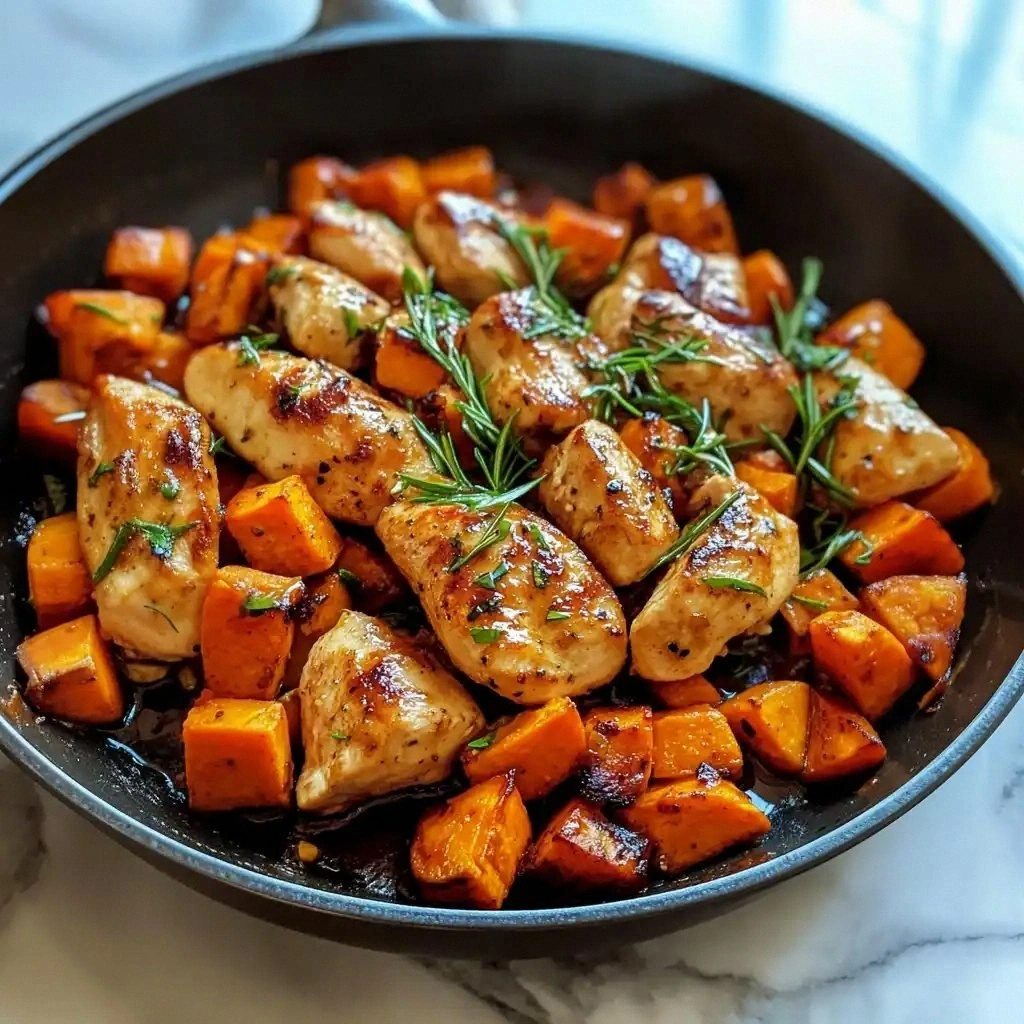
Picture this: the glossy sheen of golden‑brown sweet potatoes glistening in the pan, the sizzle that rises like a drumbeat, and the aroma of garlic that drifts through the room. The texture feels like a dance of caramelized edges and tender interiors, a harmony that makes your taste buds tap. The heat is just enough to coax the chicken into a juicy, slightly charred finish, while the vegetables keep their bite. Every breath you take is a reminder that cooking can be a performance, not just a chore. If you’re skeptical, just wait for that first bite to settle in your mouth.
That sizzle when it hits the pan? Absolute perfection. It’s the kind of sound that tells you everything is on track. The steam rises in a fragrant cloud, carrying hints of cumin and thyme that promise depth. It’s a moment that turns a simple meal into an event.
Most recipes get this completely wrong by over‑seasoning or under‑cooking the potatoes. They forget the subtle balance between sweet and savory that makes this dish sing. This version, however, keeps the flavors honest and lets each ingredient shine on its own. The chicken stays moist, the potatoes stay firm, and the spices hit the right spot. It’s the kind of recipe that feels like a revelation the first time you taste it.
Picture yourself pulling this out of the oven, the whole kitchen smelling incredible, and guests already lining up for the first bite. The aroma alone can start the conversation before anyone even takes a fork. The dish arrives hot, the edges of the sweet potatoes crisp like a fresh pastry. And the chicken? It’s succulent, almost begging you to share.
If you've ever struggled with getting sweet potatoes to stay firm while the chicken cooks, you're not alone. I’ve spent countless hours tweaking the ratio of oil to sugar in the potatoes. The trick is to let them caramelize without drying out. Trust me, once you master this balance, the dish becomes a staple in your weekly rotation. It’s not just a meal; it’s a confidence booster.
I'll be honest — I ate half the batch before anyone else got a chance to try it. The first bite was so good I almost cried. The second bite was even better, because the flavors had time to marry. That moment, I knew I had to share this recipe with the world.
This is hands down the best version you'll ever make at home, and I promise you, no other one‑pan dish comes close. The technique I’ll share uses a simple twist that elevates everything, from the caramelization to the seasoning. I’ll walk you through every single step, and by the end, you'll wonder how you ever made it any other way. The next part? Pure magic. The next step? A game‑changer. Get ready to cook like a pro.
What Makes This Version Stand Out
- Flavor Complexity: The blend of paprika, cumin, and a hint of chili flakes creates a layered taste profile. This combination offers warmth without overwhelming heat. It balances the natural sweetness of the potatoes.
- Texture Harmony: The chicken thighs remain juicy while the sweet potatoes develop a caramelized crust. The result is a satisfying contrast of soft interior and crispy edges. The pan’s heat distributes evenly for consistent results.
- One‑Pan Simplicity: No more juggling multiple pots or cleaning up a dozen pans. Everything cooks together in a single skillet, saving time and effort. This makes the dish perfect for busy weeknights.
- Crowd‑Pleaser Factor: The dish’s bold flavors and comforting textures make it a hit at family dinners and gatherings. Guests can’t resist the aroma alone. It’s a conversation starter.
- Ingredient Quality Emphasis: Using fresh thyme or rosemary adds a fragrant lift. The choice of boneless skinless chicken thighs keeps the dish hearty yet lean. Quality ingredients mean a better tasting outcome.
- Make‑Ahead Potential: The dish can be prepared ahead and reheated without losing flavor. The sweet potatoes stay tender, and the chicken stays moist. It’s ideal for meal prep or entertaining.
Alright, let's break down exactly what goes into this masterpiece...
Inside the Ingredient List
The Flavor Base
Onion and garlic form the aromatic foundation of this dish. When sautéed until translucent, they release a sweet, savory profile that underpins every bite. If you’re looking for a milder version, reduce the garlic to two cloves; the flavor will still carry the dish forward.
Paprika, cumin, and a pinch of chili flakes add depth and a subtle heat that lingers without burning. These spices are the silent heroes that transform simple ingredients into a symphony of taste. A swap for smoked paprika can give a smoky undertone, perfect for a campfire vibe.
Fresh thyme or rosemary brings a green, herbal note that balances the earthiness of the potatoes. If you’re out of fresh herbs, dried thyme works but use half the amount to avoid bitterness. The lemon juice, added at the end, brightens the dish and cuts through the richness.
The Texture Crew
Sweet potatoes are the star of the texture spectrum. Their natural starch caramelizes beautifully when seared, creating a crisp exterior that encases a buttery interior. Choosing medium‑sized potatoes ensures they cook evenly without becoming mushy.
Boneless skinless chicken thighs provide a juicy, slightly fatty bite that contrasts with the firm sweet potatoes. Their skinless nature keeps the dish lean while maintaining moisture. If you prefer a leaner option, swap thighs for breasts, but watch the cook time closely.
Olive oil is the medium that brings everything together. It helps the spices adhere to the vegetables and prevents sticking. A splash of extra‑virgin oil at the start adds a peppery finish.
The Unexpected Star
Lemon juice might seem like a minor detail, but it’s the final flourish that lifts the entire dish. It adds a bright, citrusy note that cuts through the richness of the chicken and the sweetness of the potatoes. A squeeze of fresh lemon after the dish comes out of the oven ensures a vibrant finish.
If you’re not a fan of acidity, you can replace lemon juice with a splash of apple cider vinegar. It will still provide a tangy lift without overpowering the flavors. Remember, the key is to add the acid at the very end to preserve its bright character.
The Final Flourish
Fresh herbs like thyme or rosemary, added at the very last moment, give the dish a fragrant, almost aromatic finish. The herbs release their essential oils when they’re exposed to heat, creating a subtle perfume that lingers on the plate. If you’re short on time, a sprinkle of dried herbs works, but fresh is always superior.
The combination of these layers—aromatic base, hearty protein, caramelized starch, and bright finish—creates a dish that feels both comforting and sophisticated. It’s this harmony that turns a simple skillet into a centerpiece for any dinner table.
Everything's prepped? Good. Let's get into the real action...
The Method — Step by Step
- Preheat your oven to 400°F (200°C). Heat a large cast‑iron or heavy‑sided skillet over medium‑high heat and drizzle in the olive oil. Add the diced onion and minced garlic, cooking until they turn translucent and fragrant—about 3 to 4 minutes. This step sets the flavor foundation and ensures the spices have a canvas to work on.
- Stir in the paprika, cumin, black pepper, salt, and chili flakes, letting the mixture bloom for 30 seconds. The aroma that fills the kitchen is a promise of the depth to come. Be careful not to burn the spices; a quick stir keeps them bright. This is the moment you’re building the dish’s backbone.
- Add the cubed sweet potatoes to the skillet, tossing them in the spice mixture until each piece is coated. The potatoes should start to brown slightly on the edges, creating a caramelized crust. This step is where the texture starts to develop. Kitchen Hack: For an even caramelization, spread the potatoes in a single layer; avoid overcrowding the pan.
- Transfer the skillet to the preheated oven and bake for 15 minutes, or until the sweet potatoes are just tender but still hold their shape. The oven’s even heat allows the potatoes to finish cooking without the chicken drying out. Check the potatoes with a fork; they should be fork‑soft but not mushy. This step also helps the flavors meld together.
- While the potatoes finish, place the chicken thighs skin‑side down in a separate pan or the same skillet if space allows. Sear each side for 2 minutes until golden brown. Watch Out: Do not overcrowd the pan; the chicken needs space to develop a crisp exterior.
- Once the chicken is seared, transfer it to the oven with the potatoes for the final 10 minutes of cooking. This simultaneous roasting ensures the chicken stays juicy and the potatoes finish caramelizing. The heat from the oven also creates a gentle steam that keeps the chicken moist. Keep an eye on the internal temperature—aim for 165°F (74°C).
- Remove the skillet from the oven and let the dish rest for 5 minutes. Resting allows the juices to redistribute, ensuring every bite is succulent. During this time, drizzle the lemon juice over the entire skillet, tossing gently to coat. The citrus will brighten the dish and add a fresh counterpoint to the richness.
- Sprinkle the fresh thyme or rosemary over the top, allowing the herbs to release their oils in the residual heat. The aroma that fills the kitchen at this point is irresistible. Give the skillet one final gentle toss to evenly distribute the herbs.
- Serve directly from the skillet onto plates, ensuring each portion gets a generous mix of chicken, sweet potatoes, and aromatics. Pair with a simple green salad or a side of crusty bread to soak up the juices.
- If you’re planning to host a gathering, keep the skillet warm in a low oven (around 200°F or 90°C) until guests arrive. This keeps the dish hot without overcooking it. Remember, the key to a memorable meal is timing and presentation.
That's it — you did it. But hold on, I've got a few more tricks that'll take this to another level...
Insider Tricks for Flawless Results
The Temperature Rule Nobody Follows
Many cooks skip the step of preheating the skillet, which leads to uneven searing. A hot pan creates a Maillard reaction that locks in juices and adds depth. I’ve seen dishes fall flat when the skillet is cold, so start with a hot surface.
Why Your Nose Knows Best
Trust your nose when the sweet potatoes start to caramelize. The aroma is a reliable indicator that they’re developing the right crust. If the smell feels underwhelming, give them a few more minutes; if it’s too strong, lower the heat.
The 5‑Minute Rest That Changes Everything
Letting the dish rest after baking is a game‑changer. It allows the juices to redistribute, preventing the chicken from drying out. A quick 5‑minute pause also lets the flavors settle into a harmonious blend.
Don’t Overcrowd the Pan
Overcrowding can cause the ingredients to steam instead of sear, which kills the caramelization. Arrange the potatoes in a single layer and give the chicken enough room to brown on both sides. A well‑vented skillet is key to a crispy finish.
Add Lemon Juice at the End
Adding acid too early can prevent the spices from fully developing their flavors. By tossing the lemon juice at the end, you preserve its bright character and avoid a dull finish. It’s a simple step that makes a noticeable difference.
Creative Twists and Variations
This recipe is a playground. Here are some of my favorite ways to switch things up:
Spicy Cajun Kick
Swap the paprika and cumin for a Cajun spice blend. Add a dash of cayenne for heat. This version is perfect for those who love a fiery bite.
Mediterranean Flair
Replace the thyme with oregano and drizzle with a splash of balsamic vinegar before serving. The sweet potatoes get a tangy glaze that pairs beautifully with the chicken.
Miso Glaze
Whisk a tablespoon of miso paste with a bit of water, then brush it over the chicken during the last 5 minutes of baking. The umami depth elevates the dish to a whole new level.
Roasted Garlic Variation
Instead of fresh garlic, roast whole cloves until caramelized, then mash into the skillet. The result is a sweet, mellow garlic flavor that complements the sweet potatoes.
Herb‑Infused Oil
Infuse olive oil with rosemary and thyme before cooking. Use this oil for sautéing to add an extra layer of herbal aroma. It’s a subtle trick that enriches the dish.
Vegan Swap
Replace chicken thighs with tofu cubes or tempeh. Marinate them in the spice mix before roasting. The tofu absorbs the flavors and provides a hearty bite.
Storing and Bringing It Back to Life
Fridge Storage
Cool the dish completely before placing it in an airtight container. Store in the refrigerator for up to 3 days. The sweet potatoes may soften slightly, but the flavors remain robust.
Freezer Friendly
Divide the dish into portioned containers and freeze for up to 2 months. Thaw overnight in the refrigerator before reheating. This method keeps the dish convenient for busy days.
Best Reheating Method
Reheat in a preheated oven at 350°F (175°C) for 15 minutes. Add a splash of water or broth before covering the skillet with foil to prevent drying. The result is a warm, moist dish that tastes almost fresh.