I swear, the first time I attempted a cinnamon roll I ended up with a doughy, soggy pancake that could've been a good excuse for a new kind of breakfast pizza. I was half‑heartedly daring my roommate to taste it, and half‑seriously wondering if I should just give up on pastries forever. Then, after a midnight binge of YouTube tutorials, I stumbled upon a secret technique involving browned butter that turned my kitchen into a bakery wonderland. I’m telling you, the moment that nutty, caramel‑kissed butter hit the frosting, the whole apartment smelled like a cozy fall market, even though it was July.
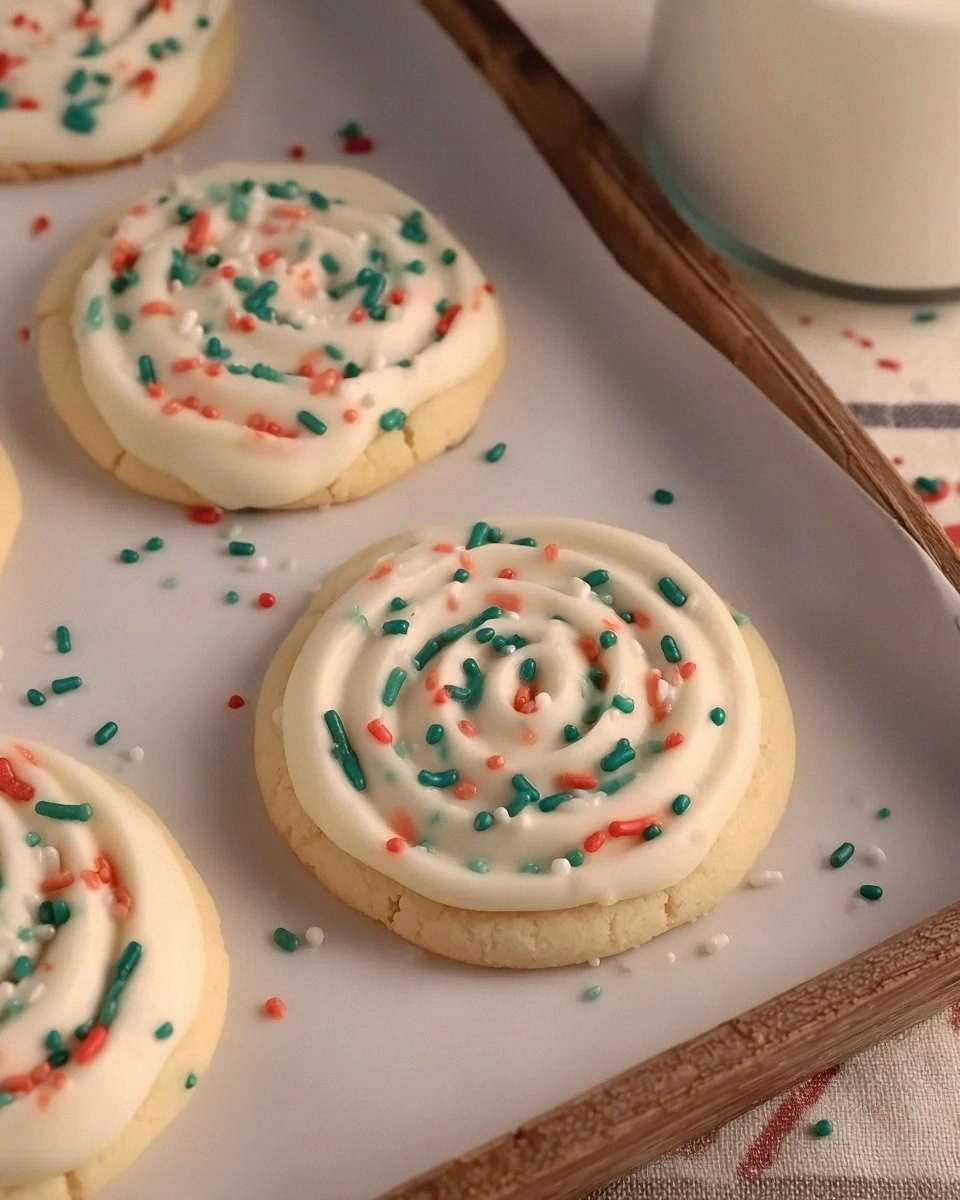
Picture this: a golden‑brown swirl of cinnamon and sugar, each roll glistening with a glossy, amber‑hued glaze that looks like liquid sunshine. The crust cracks ever so slightly on the top, giving way to a soft, pillowy interior that yields like a cloud when you bite into it. The frosting? Oh, it’s a velvety dream—creamy, buttery, with a whisper of vanilla that makes the whole thing melt on your tongue like butter on hot toast. I dare you to taste this and not go back for seconds; the flavor is so addictive it practically does a back‑flip in your mouth.
Most recipes get this completely wrong. They either skip the brown butter, over‑sweeten the filling, or bake the rolls at a temperature that leaves the outside burnt and the inside raw. Here’s what actually works: a low‑and‑slow rise for a fluffy crumb, a precise balance of brown sugar and cinnamon for that perfect caramel‑spice hug, and a finishing touch of brown butter frosting that adds depth you never knew cinnamon rolls could have. I’ll be honest — I ate half the batch before anyone else got to try it, and that’s a confession worth making because the taste is that unforgettable.
Okay, ready for the game‑changer? We’re going to brown the butter until it smells like toasted hazelnuts, fold it into a cream cheese frosting, and let it set just enough to stay glossy but still melt in your mouth. This next part? Pure magic. Let me walk you through every single step — by the end, you’ll wonder how you ever made it any other way.
⚡ What Makes This Version Stand Out
- Taste: The brown butter adds a nutty, caramelized undertone that elevates the classic cinnamon‑sugar combo into something sophisticated yet comfortingly familiar.
- Texture: A crisp, caramelized crust gives way to a feather‑light interior, creating a delightful contrast that makes each bite unforgettable.
- Simplicity: Despite the gourmet feel, the method uses pantry staples and a handful of steps, so you won’t need a culinary degree to nail it.
- Uniqueness: The brown butter frosting is the secret weapon—most recipes settle for plain cream cheese, but we’re taking it to the next level.
- Crowd Reaction: Guests will gasp, “Is this store‑bought?” and then line up for seconds; it’s the kind of dessert that sparks instant Instagram fame.
- Ingredient Quality: Using real butter, fresh nutmeg, and high‑quality cream cheese ensures the flavor shines without any artificial aftertaste.
- Cooking Method: The gentle rise and moderate bake prevent the dreaded “dry middle” that plagues many home bakers.
- Make‑Ahead Potential: You can prep the dough a day ahead, refrigerate, and bake fresh in the morning for a stress‑free brunch.
Alright, let's break down exactly what goes into this masterpiece...
🍋 Inside the Ingredient List
The Flavor Base
Active Dry Yeast (2 ¼ teaspoons): Yeast is the tiny magician that turns simple flour into airy clouds. It feeds on the sugar, producing carbon dioxide that lifts the dough. If you skip it, you’ll end up with a dense, bread‑like slab rather than a delicate roll. For a quicker rise, proof the yeast in warm water with a pinch of sugar for 5 minutes.
Warm Water (¼ cup): Warm, not hot, water awakens the yeast without killing it. Aim for 105°F‑110°F; think “comfortably warm bathwater.” Too hot and the yeast will die, too cold and it’ll snooze. If you’re in a hurry, microwave the water for 10‑15 seconds.
Sugar (1 tablespoon + ¼ cup + ½ cup brown): The tablespoon in the yeast mixture feeds the yeast, while the ¼ cup sweetens the dough itself, giving it a subtle sweetness that balances the salty butter. The ½ cup brown sugar in the filling caramelizes during baking, creating those sticky pockets of gooey goodness. Skipping the brown sugar means losing that deep molasses flavor that makes the rolls unforgettable.
The Texture Crew
All‑Purpose Flour (4 cups): This is the backbone of the dough. It provides structure while still allowing the gluten to stretch for that perfect chew. If you use cake flour, the rolls will be too tender and may fall apart; too much whole‑wheat and they’ll be heavy. For an extra fluffy crumb, sift the flour twice before measuring.
Salted Butter (¼ cup): Butter adds richness and tenderness, but the salt also tightens the gluten slightly, giving the dough a better bite. Melt it gently so it stays liquid but not browned—brown butter belongs in the frosting, not the dough. If you’re watching sodium, you can swap for unsalted butter and add an extra pinch of salt.
Egg (1 large): The egg acts as an emulsifier, binding the fat and liquid together for a cohesive dough. It also adds color and a subtle richness. If you’re vegan, replace with a flax‑egg (1 tablespoon ground flax + 3 tablespoons water) and expect a slightly denser texture.
Whole Milk (1 cup): Milk hydrates the flour and contributes to a tender crumb while adding a creamy flavor. Use room‑temperature milk; cold milk will slow the rise. For dairy‑free, substitute with oat milk—just keep an eye on the dough’s texture.
The Unexpected Star
Fresh Nutmeg (½ teaspoon): Nutmeg adds a whisper of warm spice that pairs perfectly with cinnamon. Freshly grated nutmeg releases essential oils that powdered nutmeg can’t match. If you don’t have fresh, a pinch of ground works, but the flavor will be subtler.
Kosher Salt (1 teaspoon): Salt is the flavor enhancer that brings out the sweet and buttery notes. It also strengthens the gluten network, giving the rolls a better structure. Too much salt will dominate, so measure carefully.
The Final Flourish
Cream Cheese (8 ounces): The base of the frosting, cream cheese provides tang and a silky mouthfeel. It balances the sweetness of the powdered sugar and the richness of the browned butter. Use full‑fat cream cheese for the creamiest result; low‑fat versions can become grainy.
Pure Vanilla Extract (1 teaspoon): Vanilla adds depth and rounds out the flavor profile of the frosting, making it taste like a bakery‑grade glaze. Real vanilla bean would be even more aromatic, but pure extract works wonders.
Powdered Sugar (2 cups): This fine sugar dissolves instantly, giving the frosting a smooth, glossy finish. Sift it to avoid clumps that could make the frosting gritty. If you prefer a less sweet frosting, cut back to 1 ½ cups.
Whole Milk (2 tablespoons for frosting): A splash of milk thins the frosting just enough for a pourable consistency without compromising its silkiness. Use warm milk to help the butter melt evenly.
Ground Cinnamon (2 tablespoons): The star spice that defines cinnamon rolls. Choose Ceylon cinnamon for a sweeter, milder flavor, or Cassia for a stronger, more traditional punch. Freshly ground cinnamon releases essential oils that pre‑ground packs lose over time.
Everything's prepped? Good. Let's get into the real action...

🔥 The Method — Step by Step
First, proof the yeast. In a small bowl, combine the warm water, 1 tablespoon sugar, and the active dry yeast. Stir gently and let it sit for 5‑7 minutes until it becomes foamy and bubbly—like a tiny volcano ready to erupt. If it doesn’t foam, your yeast might be dead; don’t panic, just start over with fresh yeast. This is the moment of truth for any good roll.
While the yeast is waking up, melt the ¼ cup salted butter in a saucepan over medium heat. Once melted, add the ½ cup brown sugar and 2 tablespoons ground cinnamon, stirring until the mixture is glossy and fragrant. Then, lower the heat and let the butter continue cooking until it turns a deep amber color and you hear a nutty aroma—this is the brown butter stage. Watch out: If the butter turns black, it’s burnt and will taste bitter, so remove it from heat immediately.
In a large mixing bowl, whisk together the flour, ¼ cup sugar, fresh nutmeg, and kosher salt. Create a well in the center and pour in the proofed yeast mixture, the melted butter (cooled just a tad), the egg, and the whole milk. Using a wooden spoon or a stand‑mixer's dough hook, combine until a shaggy dough forms. The dough should feel slightly sticky but manageable.
Now comes the kneading. Turn the dough onto a lightly floured surface and knead for about 8‑10 minutes, or until the dough is smooth, elastic, and pulls away cleanly from the surface.
Once kneaded, shape it into a ball, place it in a lightly greased bowl, cover with a damp towel, and let it rise in a warm spot for 1‑1½ hours, or until doubled in size.🪄 Kitchen Hack: If the dough is too sticky, dust your hands with a little flour instead of adding more to the bowl; this keeps the interior tender.While the dough is rising, prepare the brown butter frosting. In a saucepan, melt the remaining ¼ cup butter over medium heat, swirling until it turns a rich amber and releases a nutty scent. Immediately remove from heat and let it cool for 2‑3 minutes. In a mixing bowl, beat the cream cheese until smooth, then gradually add the powdered sugar, vanilla extract, and the cooled brown butter. Finally, whisk in the 2 tablespoons whole milk until the frosting reaches a pourable consistency. Set aside.
Once the dough has doubled, punch it down gently to release excess air. Roll it out on a parchment‑lined sheet pan into a rectangle about ½‑inch thick, roughly 12×18 inches. Evenly spread the remaining melted butter (the one you used for the dough) over the surface, then sprinkle the ½ cup brown sugar and 2 tablespoons cinnamon in a generous, even layer. This is the sweet, caramel‑spice core that will melt into the dough as it bakes.
Now, roll the dough tightly from the long side, like you’re making a jelly roll. Slice the log into 12‑14 equal pieces using a sharp, serrated knife—don’t press down too hard, or you’ll squish the airy interior. Place each roll on the parchment, spacing them about 1‑inch apart. Cover loosely with foil and let them proof again for 30‑45 minutes; they should puff up noticeably.
Preheat your oven to 350°F (175°C). Bake the rolls for 20‑25 minutes, or until the tops are a deep golden‑brown and the edges start to pull away from the pan. The kitchen will fill with a scent that makes you want to hug the oven door. When they’re done, remove from the oven and, while still hot, drizzle the brown butter frosting over each roll, letting it seep into the crevices.
Let the rolls sit for 5‑10 minutes to allow the frosting to set just enough to be glossy but still melt‑in‑your‑mouth soft. Serve warm, and watch your guests’ eyes widen with every bite. This is the part where you can proudly say, “I told you this was the best version you’ll ever make at home.”
That's it — you did it. But hold on, I've got a few more tricks that'll take this to another level...
🏆 Insider Tricks for Flawless Results
The Temperature Rule Nobody Follows
Never, ever let your dough rise in a drafty kitchen. Ideal temperature is 75°F‑80°F; think “warm summer afternoon.” If your house is cooler, create a makeshift proofing box by placing the bowl in a turned‑off oven with a pan of hot water. This gentle heat encourages the yeast to work evenly, preventing over‑proofing that leads to a sour taste.
Why Your Nose Knows Best
When the dough has risen enough, you’ll notice a faint, sweet aroma wafting from the bowl. That scent is your cue that the gluten has relaxed and the yeast has done its job. If you rely solely on time, you might over‑proof, causing the rolls to collapse. Trust your nose; it’s the most reliable kitchen sensor.
The 5‑Minute Rest That Changes Everything
After slicing the rolled dough, let the individual rolls rest for five minutes before baking. This short pause lets the gluten relax, allowing the rolls to expand uniformly in the oven. Skipping this rest often results in a “tight” crumb that feels dense rather than airy.
Butter‑First, Then Sugar
When spreading butter on the rolled dough, do it before the sugar‑cinnamon mixture. The butter creates a barrier that keeps the sugar from soaking into the dough too quickly, ensuring a crisp top while the interior stays moist. I once tried the opposite and ended up with soggy, gummy rolls—lesson learned.
The Frosting Cool‑Down
Allow the browned butter to cool just enough that it’s warm, not hot, before mixing it into the frosting. Hot butter will melt the cream cheese, making the frosting too runny.
🎨 Creative Twists & Variations
This recipe is a playground. Here are some of my favorite ways to switch things up:
Apple‑Cranberry Autumn
Swap half the brown sugar for finely diced dried cranberries and fold in small apple chunks into the filling. The tartness of cranberries balances the sweet butter, while the apple adds a juicy bite that feels like a fall harvest.
Chocolate Hazelnut Dream
Add ¼ cup cocoa powder to the cinnamon‑sugar blend and sprinkle chopped toasted hazelnuts over the top before baking. The chocolate deepens the flavor, and the hazelnuts bring a crunchy contrast that mimics a Nutella swirl.
Maple Pecan Bliss
Replace the brown sugar with pure maple syrup and stir in ½ cup toasted pecans. The maple adds a caramel‑rich undertone, and the pecans give a buttery crunch that pairs perfectly with the brown butter frosting.
Pumpkin Spice Surprise (Fall Edition)
Incorporate ¼ cup pumpkin puree into the dough and add a pinch of pumpkin pie spice to the filling. The subtle pumpkin flavor doesn’t overwhelm; it just adds a warm, seasonal twist that’s perfect for October brunches.
Savory Cheese & Herb
For a brunch twist, omit the cinnamon and brown sugar, and instead fill the rolls with shredded sharp cheddar, fresh thyme, and a drizzle of garlic‑infused butter. Top with the same brown butter frosting, but swap the powdered sugar for a light dusting of grated Parmesan for a sweet‑savory hybrid.
❄️ Storing & Bringing It Back to Life
Fridge Storage
Place cooled rolls in an airtight container and store them in the refrigerator for up to 4 days. The frosting will stay glossy, and the rolls will retain their moisture. When ready to eat, microwave for 15‑20 seconds or warm in a 300°F oven for 5 minutes.
Freezer Friendly
Wrap each roll individually in plastic wrap, then place them in a freezer‑safe bag. They’ll keep for up to 2 months. To reheat, let them thaw overnight in the fridge, then bake at 325°F for 8‑10 minutes, adding a splash of water to the pan to create steam and revive the softness.
Best Reheating Method
For ultimate fluffiness, preheat a skillet over low heat, add a teaspoon of butter, and cover the roll with a lid for 2‑3 minutes. The steam generated inside the skillet mimics the original bake environment, bringing the roll back to life. A tiny splash of water on the pan before covering helps create that steamy hug.