I’ve been a self‑proclaimed steak aficionado for years, but I still find myself turning to the same old recipes that taste like a generic, over‑seasoned slab of meat. One night, after a disastrous attempt at a “classic” pan‑seared steak that ended up with a rubbery center and a flavorless crust, I swore I’d never settle for anything less than perfection. That night, I pulled out my trusty skillet, grabbed a ribeye, and decided to rewrite the playbook. The result? A steak that sings with a buttery, garlicky aroma, a crust that crackles like a crisp autumn leaf, and a juicy interior that practically melts in your mouth. If you’re ready for the ultimate pan‑seared experience, buckle up—this isn’t just another recipe, it’s a revelation.
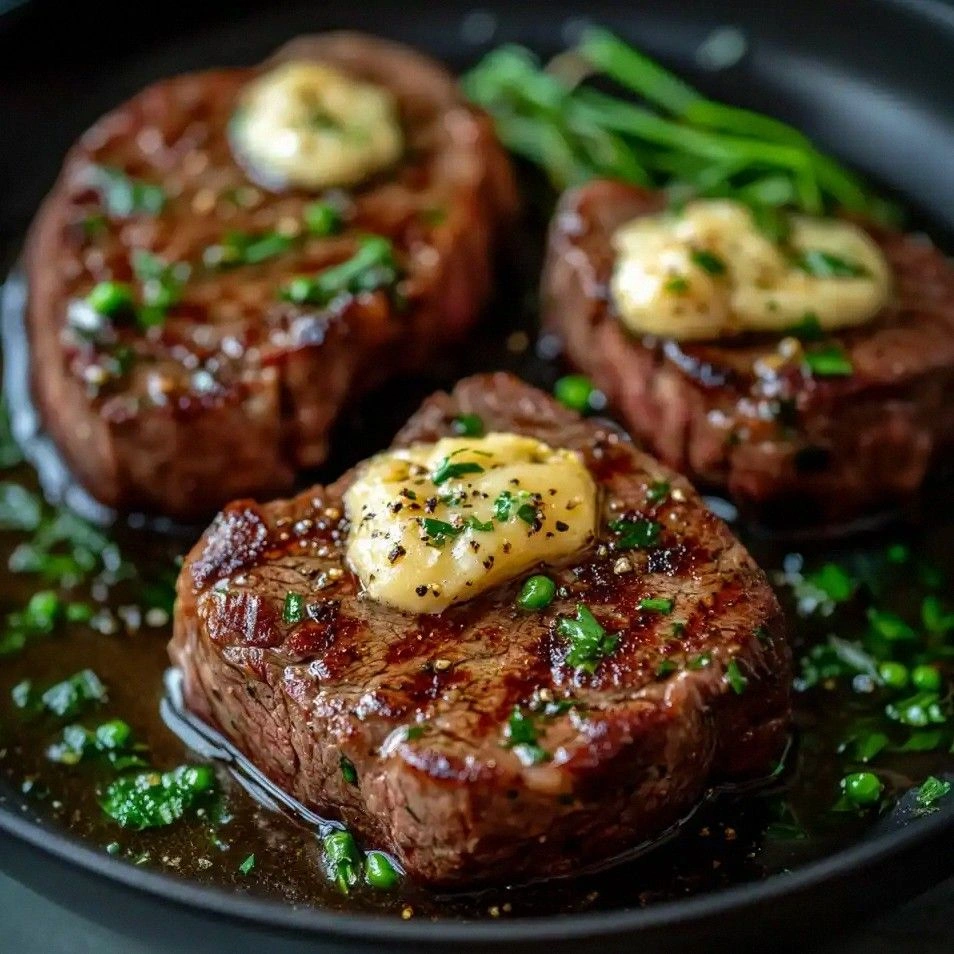
Picture this: the sizzle that erupts when the steak meets the hot pan, the sharp scent of garlic and thyme drifting through the kitchen, and the satisfying pop as the butter foams and turns a deep, golden hue. You can almost taste the subtle hint of caramelization, the slight peppery bite, and the buttery finish that coats your palate like velvet. Every sense is engaged—from the visual of the seared edges to the tactile feel of the steak’s tender surface. And the best part? You’ll be the one holding the secret to this flavor explosion.
What sets this version apart is the intentional layering of flavor and technique. Instead of simply seasoning the steak, I let the butter and garlic mingle, creating a sauce that clings to the meat. I also use canola oil to raise the smoke point, ensuring a perfect crust without burning. The final touch is a quick rest period that locks in juices, giving you a steak that’s as tender as it is flavorful. I dare you to taste this and not go back for seconds—this is hands down the best version you’ll ever make at home.
If you’ve ever struggled with getting the right sear, or if you’re tired of steaks that are either over‑cooked or under‑seasoned, you’re not alone. I’ve been there, watching the meat turn to mush or the butter burn to ash. But with this recipe, every step is designed to bring out the best in your steak, from the first contact with the pan to the final flourish of thyme. Let me walk you through every single step—by the end, you’ll wonder how you ever made it any other way.
What Makes This Version Stand Out
- Flavor Depth: The combination of garlic, thyme, and butter creates a sauce that coats the steak like velvet, turning a simple cut into a gourmet experience.
- Texture Mastery: A high‑heat sear produces a caramelized crust while a quick rest preserves juiciness, giving you the perfect bite every time.
- Ingredient Quality: Using ribeye or sirloin from a reputable butcher ensures marbling that melts into the meat, enhancing flavor and tenderness.
- Simplicity: With just eight ingredients and a single pan, you can deliver restaurant‑level results without a kitchen full of pots.
- Audience Impact: Friends and family will rave, and you’ll become the go‑to steak host for every gathering.
- Make‑Ahead Friendly: The steak can be seared ahead of time and reheated with the butter sauce, making it a perfect weeknight or last‑minute dinner.
- Versatility: The optional red pepper flakes give a subtle kick, and the recipe adapts easily to different cuts or portion sizes.
Alright, let’s break down exactly what goes into this masterpiece…
Inside the Ingredient List
The Flavor Base
The foundation of this dish is the steak itself—ribeye or sirloin. Ribeye, with its generous marbling, delivers a buttery taste that melts in the mouth, while sirloin offers a leaner, firmer bite. The choice depends on your preference for richness versus lean. If you’re aiming for a lower fat profile, sirloin is the way to go, but for maximum indulgence, ribeye is king.
The Texture Crew
Canola oil and butter are the dynamic duo that creates the coveted crust. Canola’s high smoke point (400°F) allows the steak to sear at the right temperature without burning, while butter adds a rich, nutty flavor and a glossy finish. Together, they form a crust that’s both crunchy and flavorful. Skip the butter, and you’ll miss that luxurious finish; skip the oil, and you risk scorching.
The Unexpected Star
Garlic and thyme are the unsung heroes that elevate the dish. Garlic’s pungent aroma caramelizes into a subtle sweetness, while thyme’s earthy undertones complement the beef. The combination creates a sauce that coats the steak like velvet, ensuring every bite is infused with flavor. If you’re not a fan of garlic, you can reduce it to two cloves, but the depth of flavor will be noticeably less.
The Final Flourish
Red pepper flakes add a gentle heat that contrasts the richness of the butter. They’re optional, so you can tailor the dish to your heat tolerance. If you love a bit of spice, sprinkle a pinch on the steak before searing. If you prefer a classic, omit them entirely and let the garlic and thyme shine.
Everything’s prepped? Good. Let’s get into the real action…
The Method — Step by Step
- Step 1: Bring the steak to room temperature. Take the steak out of the fridge at least 30 minutes before cooking. This ensures even cooking and prevents a dramatic temperature drop that can hinder searing. As the steak warms, the juices redistribute, leading to a more tender result. I usually let it sit on the counter while I prep the other ingredients, and the aroma of fresh meat already starts building anticipation.
- Step 2: Season liberally. Sprinkle salt and freshly cracked black pepper on both sides. Don’t be shy—salt draws out moisture and forms a savory crust, while pepper adds a subtle bite. Let the seasoning sit for a minute so it can penetrate the meat. If you’re a fan of a stronger flavor, add a pinch of red pepper flakes at this point.
- Step 3: Heat the skillet. Place a heavy skillet (cast iron works best) over high heat and add canola oil. Wait until the oil shimmers but isn’t smoking—this is your cue that the pan is hot enough. A hot pan ensures a quick sear; a cooler one will steam the steak and produce a soggy crust.
- Step 4: Sear the steak. Carefully lay the steak into the pan. Don’t move it for the first 2 minutes; this allows a crust to form. You should hear a satisfying sizzle that feels almost like applause. Flip the steak once the edges start to brown and the meat releases easily from the pan. If you’re aiming for medium‑rare, cook for about 3–4 minutes per side, depending on thickness.
- Step 5: Add butter, garlic, and thyme. Reduce heat to medium, slide in the butter, crush the garlic cloves with the flat side of a knife, and add the thyme sprig. As the butter melts, it will brown slightly, creating a nutty aroma. The garlic will soften, releasing its sweet, mellow flavor, while the thyme infuses the butter with a subtle herbal note. This step is pure magic—watch the butter bubble and turn a golden amber.
- Step 6: Baste the steak. Tilt the pan and use a spoon to continuously spoon the butter, garlic, and herb mixture over the steak. This basting technique locks in moisture and builds a flavorful crust. As you do this, the butter will turn a rich golden color and develop a slightly nutty scent. The steak should feel warm to the touch, but not overcooked.
- Step 7: Rest the steak. Transfer the steak to a cutting board and tent it loosely with foil. Resting for 5–7 minutes allows the juices to redistribute throughout the meat, ensuring a juicy bite. The surface will still be warm, but the internal temperature will have risen a few degrees, finishing the cooking process. This step is often overlooked, but it’s the difference between a good steak and a great one.
- Step 8: Slice and serve. Slice the steak against the grain to maximize tenderness. Drizzle a little of the remaining butter sauce over the slices, then serve immediately. Pair with roasted vegetables, mashed potatoes, or a crisp salad for a balanced meal. And remember—if you’re sharing, let guests taste a slice first; you’ll see the smiles appear instantly.
That’s it— you did it. But hold on, I’ve got a few more tricks that will take this to another level. Keep reading to discover insider secrets that will make your steak the talk of the town.
Insider Tricks for Flawless Results
The Temperature Rule Nobody Follows
Many home cooks rely on a timer, but the real secret is temperature. Use a meat thermometer to target 125°F for medium‑rare, 135°F for medium, and 145°F for medium‑well. The steak will continue to cook slightly during the rest period, so remove it a few degrees shy of your target. This precision ensures consistency, even if you’re a novice.
Why Your Nose Knows Best
Before flipping, listen for the sound of the meat releasing from the pan. A clean separation indicates a proper crust. If the steak sticks, it’s still too wet or the pan isn’t hot enough. Trust your senses—your nose and ears are the best judges of doneness.
The 5‑Minute Rest That Changes Everything
Resting isn’t just a formality; it’s a science. The muscle fibers relax, allowing juices to redistribute. Skipping this step results in a dry steak that loses its natural succulence. A quick 5‑minute rest is enough to lock in flavors without overcooking.
The Garlic‑Butter Ratio Hack
If you want an extra buttery richness, double the butter to 6 tablespoons while keeping the garlic the same. The extra fat will create a silky sauce that clings to the steak, turning it into a decadent treat. Just be careful not to overcook the garlic; it should stay tender and sweet, not bitter.
The “Flip‑Right” Moment
Timing your flip is critical. Flip only when the first side has developed a deep, golden crust. If you flip too early, the steak will release moisture and steam, preventing a crisp exterior. If you wait too long, the interior may overcook. Practice makes perfect—each steak will teach you a new cue.
Creative Twists and Variations
This recipe is a playground. Here are some of my favorite ways to switch things up:
Smoky Chipotle Butter
Replace the thyme with a chipotle pepper and add a splash of lime juice to the butter. The smoky heat pairs beautifully with the steak’s natural richness, creating a flavor profile that’s both bold and refreshing.
Herb‑Infused Marinade
Marinate the steak for 2 hours in olive oil, rosemary, thyme, and garlic. This infusion deepens the flavor, allowing the steak to carry a more complex herb profile that’s evident even in the first bite.
Spicy Cajun Rub
Swap the salt and pepper with a Cajun spice blend. The paprika and cayenne add a vibrant kick, while the sugar in the blend caramelizes into a sweet crust that balances the heat.
Truffle‑Infused Finish
Finish the steak with a drizzle of truffle oil after resting. The earthy aroma elevates the dish to a gourmet level, perfect for a special occasion or a romantic dinner.
Sous‑Vide Starter
Cook the steak sous‑vide at 131°F for 1.5 hours, then sear it in the pan. This technique guarantees perfect doneness throughout and a buttery texture that’s hard to beat.
Storing and Bringing It Back to Life
Fridge Storage
Store leftover steak in an airtight container in the refrigerator for up to 3 days. Wrap it loosely in foil or parchment paper to keep it from drying out. When reheating, keep the temperature low to avoid overcooking.
Freezer Friendly
For longer storage, wrap the steak in plastic wrap and then place it in a freezer bag. It will keep for up to 3 months. Thaw in the refrigerator overnight before reheating.
Best Reheating Method
Reheat the steak in a skillet over low heat, adding a splash of water or broth to create steam. Finish with a quick sear on high heat to restore the crust. A tiny splash of water before reheating steams the steak back to perfection, preventing it from becoming dry.